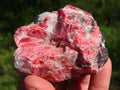
Serpentine – the stone of kundalini force, inner awakening, and chakra activation
Written by: Amalia Buliga
|
|
Time to read 10 min
What is serpentine stone and what is it used for?
Serpentine stone is a crystal associated with kundalini energy and chakra activation. It is used in meditation to support the upward energy flow, release emotional blockages, and foster inner transformation. It can be worn as bracelets or necklaces to maintain daily energetic connection.
There are energies that lie dormant within us for years. Not because they are absent, but because they are waiting for the right moment. The moment of maturation. The moment of confrontation. The moment when we can no longer remain at the same level.
În Eastern traditions, this latent force is called kundalini – the vital energy located at the base of the spine, symbolized by a coiled serpent. When it starts to move, nothing remains the same. Perception changes. Emotions reorganize. Consciousness expands.
Serpentine is associated with this transformational energy. Not as a forced trigger, but as a subtle support for the inner process. It is a stone of energetic movement, regeneration, and conscious evolution.
Photo credit: Unsplash
What you will learn from this article
✔ What serpentine stone is and what it symbolizes ✔ The connection between serpentine and kundalini energy ✔ How it supports chakra activation ✔ How it is used in meditation ✔ How it can be worn in bracelets and necklaces ✔ Where to buy authentic serpentine
1. Serpentine crystal – meaning and symbolism in energetic traditions
The name of the serpentine comes from the Latin serpens, meaning snake. However, this linguistic detail is not just a reference to the wavy appearance or texture of the mineral. Behind the name lies a powerful archetypal symbol, present in almost all cultures of the world.
The snake is one of humanity's oldest symbols. It is found in oriental mythologies, Egyptian traditions, Greek symbolism, Mesoamerican culture, and European esoteric systems. Sometimes it is a guardian of knowledge, other times a representation of primordial energy. In many traditions, the snake is not associated with danger, but with transformation and regeneration.
The reason is simple and profound at the same time: the snake sheds its skin.
This image has become, over millennia, the symbol of cyclic renewal. It is not about destruction, but about evolution. The old skin is not violently discarded, but naturally abandoned when it becomes too tight for the new stage of growth.
In energetic terms, the serpentine crystal carries this significance. It is associated with the processes of detaching from old inner structures – limiting beliefs, emotional attachments, identities that no longer reflect the current level of consciousness.
Working with serpentine symbolizes:
passing through stages of inner maturation
letting go of repetitive patterns
embracing a new version of the self
the courage to go through periods of transformation
In modern energetic traditions, the serpent is also a representation of spiral vital energy – energy that does not flow linearly, but in waves, cycles, ascensions, and retreats. This spiral movement reflects the very dynamics of personal evolution: we do not grow in a straight line, but through successive layers of awareness.
The serpentine crystal is associated with this internal movement. It does not symbolize rigid stability, but organic transformation. It is not a stone of maintaining the status quo, but of the process of change.
In many schools of energetic thought, the serpent also represents hidden knowledge – that wisdom which does not come from outside, but from within. Thus, serpentine becomes the symbol of accessing a deeper consciousness, of awakening a latent force that has always been present but unexplored.
It is important to understand that this transformation is not always comfortable. The maturation process involves confronting one's own shadows, fears, and defense mechanisms. Therefore, the energy associated with serpentine is described as challenging.
It is not a soothing energy in the classic sense. It is not an energy that numbs discomfort.
It is an energy that brings to the surface what needs to be seen in order to be integrated.
In this sense, the serpentine crystal symbolizes the transition from unconscious reaction to conscious choice. From the automatic repetition of the past to assuming a new level of personal responsibility.
The serpent does not shy away from transformation. It embodies it.
Similarly, serpentine is associated with that stage in life where change is no longer optional but necessary for evolution. It is the symbol of energetic maturation – the moment when old comfort becomes too tight for the consciousness that begins to expand.
It is an energy that provokes maturation, not comfort.
Photo credit: Unsplash
2. Serpentine stone and kundalini energy – supporting the ascending force
Kundalini energy is described in yogic traditions as a spiraled, latent force located at the base of the spine. The image of the coiled serpent symbolizes the pure potential of being – an energy that is not yet manifested, but which contains within itself the capacity for profound transformation.
When this energy begins to move, it ascends through the central energy channel, activating the chakras successively and restructuring, step by step, perception, emotions, and the level of consciousness.
In this context, serpentine stone is associated with supporting this ascending force.
Not to force it. Not to rush it. But to make it coherent.
In energy practices, serpentine is used to support the flow of energy in the area at the base of the spine – the symbolic space of potential. It is considered that energy can remain blocked here when there are deep fears, unresolved tensions, or resistance to change. Conscious work with serpentine can accompany the process of bringing these blockages to the surface.
As the energy begins to move, subtle sensations of bodily intensification, emotional clarity, or a desire for transformation may arise. Serpentine is associated with supporting this transition, facilitating the release of energetic blockages and harmonizing the ascending flow.
Kundalini does not rise merely as abstract energy. It traverses the psychological and emotional layers of the being. Each activated chakra can bring unresolved issues to the surface: relationships, identity, personal power, vulnerability, authentic expression.
Therefore, another aspect attributed to the serpentine stone is the integration of intense emotional transformations. It is not enough for the energy to rise; it must also be stabilized, understood, and embraced. Serpentine is considered a support in this integration stage, helping to maintain inner coherence during profound changes.
It is essential to emphasize that the authentic process of kundalini energy activation is not sudden or spectacular, as it is sometimes superficially presented. In most cases, the transformation is gradual, cyclical, sometimes subtle. It can mean:
an increase in body awareness
intensification of intuition
clarity on old patterns
a desire for authentic change
Serpentine is considered a catalyst for this movement only when there is inner preparation and clear intention. Without discipline, without practice, and without personal commitment, no stone can activate latent forces.
In mature energetic work, serpentine is not seen as a trigger, but as a companion. It symbolizes the courage to allow the energy to move. To no longer repress. To no longer postpone transformation.
The kundalini force is the energy of evolution. The serpentine stone is the symbol of this force in motion.
And authentic ascension is not a flight upward, but a conscious traversal of each inner level.
On Druzy, you find authentic serpentine stone, available as bracelets, necklaces, and meditation stones. Discover the entire collection 👇
3. How to use serpentine stone in meditation for energy activation
Working with serpentine in meditation involves clear intention and conscious presence. It is not a technique of forced stimulation, but a process of collaborating with one's own inner energy.
A common way of using it is by placing the stone at the base of the spine, where yogic traditions locate the latent kundalini energy. In this position, attention is directed towards the breath and the subtle sensations in the body. The practitioner can visualize the energy as a luminous flow that begins to move slowly, without pressure.
Serpentine can also be used in conscious breathing exercises. Inhalation becomes the symbolic moment of energy ascent along the spine, and exhalation the moment of integration. The rhythm remains calm, natural, without forcing the appearance of sensations.
In sessions of visualizing the ascending energy flow, serpentine can be placed successively on each energy center, mentally accompanying the rise of energy through the chakras.
A deeper practice involves using the stone both at the base and above the head. Placing the serpentine above the head, in the area associated with the crown chakra, has the symbolic and energetic role of supporting and 'calling' the energy upwards, completing the vertical axis of the body.
In this configuration, the base represents potential, and the area above the head represents the opening of consciousness. The practitioner can visualize the energy rising through each chakra and being drawn towards the upper point, where it stabilizes in a state of clarity and expansion.
Serpentine can also be combined with an amplifying crystal, such as clear quartz, placed above the head to intensify the upward direction of the energy flow.
Regardless of the chosen method, the process must remain balanced. Energy activation is not a competition and should not be rushed. Each stage requires integration.
Photo credit: Photo by Artsy Vibes on Unsplash
4. Use in jewelry – bracelets and necklaces with serpentine stone
Beyond working in meditation, the serpentine stone is frequently worn as jewelry, precisely to maintain a constant connection with its transformative energy.
Serpentine bracelets are among the most popular forms of wearing. Placed on the wrist, the stone comes into direct contact with the pulse, both symbolically and energetically. In modern crystal therapy traditions, it is believed that this positioning naturally supports the circulation of energy and helps maintain a state of awareness throughout the day.
A serpentine bracelet can be worn:
during periods of personal transformation
in stages of decision and change
during breathing or yoga practices
as a symbol of commitment to one's own evolution
Serpentine necklaces have a different significance. Worn at chest level or closer to the base of the neck, the stone is in the transition area between heart and expression. This positioning is associated with the integration of emotional transformations and the authentic expression of the inner process.
In meditations, a serpentine necklace can function as a subtle anchor of intention. In daily life, it becomes a reminder of one's own evolution.
Serpentine jewelry is often made from round beads, polished stones, or carved pendants. Shades of green, sometimes with golden or brown inserts, offer a natural and profound look, suitable for both daily wear and outfits with symbolic significance.
It is important to remember that wearing serpentine jewelry does not replace inner practice. It supports the intention, it does not create it for the wearer.
Discover authentic serpentine stone on Druzy – bracelets, necklaces, and crystals for meditation. See the collection 👇
FAQ - Frequently Asked Questions about Serpentine Crystal
1. What is the serpentine crystal?
The serpentine crystal is a mineral from the silicate group, known for its shades of green and for the symbolism associated with snake energy and inner transformation.
2. Does the serpentine stone automatically activate kundalini energy?
No. The serpentine stone is considered an energetic support, a subtle catalyst. The activation of kundalini energy is a complex process involving practice, discipline, and inner maturity. No stone can trigger this process without the conscious involvement of the person.
3. Who is the serpentine recommended for?
It is recommended for people undergoing transformation, those who practice meditation, yoga or chakra work, and those who wish to intensify their energetic awareness.
4. Can the serpentine stone be worn daily?
Yes. Serpentine jewelry, such as bracelets or necklaces, can be worn daily. However, it is important for the wearer to be attentive to their own inner state and observe how they react to the stone's energy.
5. How is the serpentine crystal energetically cleansed?
It can be cleaned with running water (if the structure allows), sage smoke, sound, or by placing it on a quartz geode. A clear intention for purification is essential.
6. With what crystals can serpentine be combined?
Serpentine can be combined with clear quartz for amplification, amethyst for mental balance, or obsidian for deep work with inner shadows.
7. Where can I buy authentic serpentine?
To ensure you purchase authentic serpentine, choose reliable sources that clearly describe the stone's origin and provide real photos of the products. Raw, polished, or jewelry crystals may have natural variations in color and texture — and authenticity is key for deep energetic work.
A place where you can find quality serpentine, verified and transparently presented is the Druzy online store, where each stone is described in detail and individually photographed. The pieces are carefully selected and come from trusted sources, and you can choose from varieties suitable for jewelry or energetic practice.
✍️ About the author: Article written by the editorial team druzy.eu – enthusiasts of crystals, minerals, and their ancient stories. All information is carefully researched to provide you with an authentic and profound experience.