How to choose semiprecious stones according to their crystal system
|
|
Time to read 28 min
|
|
Time to read 28 min
Crystal systems represent the way atoms are organized inside crystals. This internal structure influences the shape, symmetry, transparency, and properties of minerals. The seven crystal systems are: cubic, hexagonal, trigonal, tetragonal, orthorhombic, monoclinic, and triclinic. In crystal healing and sacred geometry, each system is symbolically associated with certain types of energy and inner processes.
Contents
Each crystal system develops different geometric forms, and in crystal healing these structures are symbolically associated with certain types of energy and inner experiences. The table below can help you more easily understand the connection between the geometry of crystals, the best-known examples of semi-precious stones, and the properties for which they are most frequently chosen.
| Crystal system | Representative crystals | Associated properties |
|---|---|---|
| Cubic | Pyrite (view collection, read the guide), Fluorite (view collection, read the guide), Galena, Spinel (view collection) | Stability, protection, grounding, discipline, and inner organization. |
| Hexagonal | Amethyst (view collection, read the guide), Citrine (view collection , read the guide), Rock Crystal (view collection, read the guide), Aquamarine (view collection, read the guide) | Harmony, clarity, emotional balance, energetic flow, and the amplification of intentions. |
| Trigonal | Tourmaline (view collection, read the guide), Calcite (view collection, read the guide), Ruby (view collection, read the guide), Sapphire (view collection, read the guide) | Transformation, inner direction, motivation, courage, and personal growth. |
| Tetragonal | Apophyllite (view collection, read the guide), Zircon, Rutile (view collection) | Mental focus, concentration, clarity, discipline, and goal orientation. |
| Orthorhombic | Topaz (view collection), Peridot (view collection, read the guide), Celestine (view collection , read the guide) | Emotional balance, maturity, flexible stability, and inner regeneration. |
| Monoclinic | Selenite (view collection, read the guide), Malachite (view collection, read the guide), Azurite (view collection, read the guide), Jade (view collection, read the guide) | Emotional healing, fluidity, adaptability, calm, and regeneration. |
| Triclinic | Labradorite (view collection, read the guide), Amazonite (view collection, read the guide), Turquoise (view collection), Rhodonite (view collection, read the guide), Kyanite (view collection, read the guide) | Authenticity, creativity, inner freedom, intuition, and deep transformation. |
Crystals have fascinated humanity since ancient times. Some were considered symbols of power and protection, others became sacred objects, royal jewelry, or spiritual tools used in meditation and rituals. Beyond their visible beauty, however, there is an invisible order, a microscopic architecture that underlies every mineral.
Each crystal grows according to precise rules. Atoms organize themselves into a repetitive pattern, and this internal structure determines the crystal's geometric shape, the way it reflects light, how it fractures, and even certain physical properties. In mineralogy, this organization is called a crystal system.
But over time, people noticed something else as well. The different shapes of crystals seem to inspire different sensations. Some structures convey stability and strength, others delicacy, fluidity, or expansion. Thus, the connection between crystal geometry and the metaphysical properties associated with it was born.
In spiritual traditions and in crystal healing, the shape of a crystal is considered a symbolic expression of the way energy is organized in nature. The cube is associated with stability and grounding, the hexagon with harmony, vertical structures with ascension and clarity, and more asymmetrical forms with transformation and creativity.
These interpretations do not belong to the field of classical science, but they are part of a spiritual and symbolic tradition thousands of years old. Today, many people choose crystals not only for their mineralogical beauty, but also for what they feel they express on an emotional and spiritual level.
In this article, we will explore the seven crystal systems, how they form, examples of representative minerals, and the way their geometry has been associated, over time, with various metaphysical properties.
When we look at a crystal, we notice its external shape: precise edges, glossy surfaces, geometric points, or structures seemingly sculpted by nature with impossible precision. But the true architecture of the crystal begins much deeper, at the microscopic level.
Inside every mineral there is an ordered structure made up of atoms and molecules arranged in a repetitive pattern. This internal organization is called the crystal lattice. In practice, the atoms are not distributed chaotically, but repeat in a very precise mathematical order, like a three-dimensional pattern that develops in all directions.

Photo credit: Druzy
This invisible order determines the way the crystal grows in nature. Depending on pressure, temperature, chemical composition, and the available space, the mineral develops certain specific geometric forms.
This is how the perfect cubes of pyrite, the hexagonal columns of quartz, or the delicate and translucent structures of selenite appear.
The crystal system is, in fact, the fundamental way in which atoms are organized inside the mineral.
In mineralogy, crystals are divided into seven major crystal systems, defined by:
The seven systems are:
Each of these systems has its own geometric rules. Some are extremely symmetrical and stable, such as the cubic system, while others are more complex and more asymmetrical, such as the triclinic system.
This internal structure profoundly influences the physical properties of crystals. The shape we see on the outside is only the visible expression of a hidden atomic order.

Photo credit: Unsplsh
Crystal systems influence:
For example, the extremely compact cubic structure of diamond gives it the extraordinary hardness for which it is known. In the case of quartz, the hexagonal structure allows the piezoelectric effect to occur — the crystal's ability to generate a small electrical voltage when compressed.

Photo credit: Unsplash
These properties are not random. They arise directly from the way atoms are organized inside the mineral.
But crystal systems have fascinated people not only through their mathematical precision. Throughout history, different cultures have observed that certain geometric shapes seem to convey different sensations.
Cubic shapes inspire stability and order. Vertical structures suggest ascent and focus. Fluid and asymmetrical crystals convey the idea of transformation and flexibility.
Thus, in spiritual traditions and in crystal healing, the geometry of crystals began to be interpreted symbolically as well.
From this perspective, the shape of a crystal represents not only the result of geological processes, but also an expression of the way energy is organized in nature.
Even though these interpretations belong to a symbolic and metaphysical domain, they continue to inspire millions of people who see in crystals not only mineral objects, but also symbols of harmony, transformation, and inner balance.
The cubic crystal system is one of the most stable and symmetrical geometric models in nature. At the atomic level, its structure is built on three equal axes that intersect at perfect 90-degree angles. This organization creates a uniform distribution of forces inside the crystal and allows the formation of compact, balanced, and highly resistant structures.

Photo credit: Druzy
From this internal order emerge precise geometric shapes such as:
Many of these minerals appear almost hand-sculpted due to the geometric precision that nature creates within them.
The best-known crystals and minerals with a cubic structure are pyrite, fluorite, galena, diamond, halite, and spinel.
In the case of diamond, the cubic structure forms one of the strongest atomic networks in nature. The atoms are connected extremely compactly and uniformly, which gives diamond the extraordinary hardness for which it is known. In the case of pyrite and galena, the same geometry produces dense, heavy, and stable crystals.

Photo credit: Unsplash
In sacred geometry, the cube is considered the symbol of:
This association comes directly from its geometric shape. The cube has a perfectly stable base, clear edges, and a closed structure that instinctively creates a sense of safety and balance. The human mind perceives these forms as strong, organized, and stable.
In crystal therapy, cubic crystals are symbolically associated with:
Many people choose these crystals during periods when they feel mental chaos, insecurity, lack of direction, constant stress, or a need for stability and inner control.
Pyrite is frequently associated with confidence, discipline, and personal stability. Its perfect cubic shape symbolically inspires order and the ability to build a solid foundation in professional or personal life.

Photo credit: Unsplash
Cubic fluorite is often used for mental clarity and organizing thoughts. Its regular structure is symbolically perceived as a form that helps reduce confusion and balance attention.

Photo credit: Unsplash
Galena is associated with grounding and emotional stabilization. Due to its density and weight, many people choose it during periods of imbalance or emotional overload.

Photo credit: Unsplash
Diamond became symbolically associated with inner strength and clarity precisely because of the extraordinary way its atoms remain organized under pressure. Its compact cubic structure inspired the idea of strength, integrity, and inner stability.

Photo credit: Unsplash
Spinel is valued for its stable energy and for its symbolic association with restoring inner strength. In the context of the cubic system, it can be seen as a stone of resilience, clarity, and personal balance.
Thus, the metaphysical properties associated with the cubic system come directly from its geometry and atomic organization: compact, orderly, stable, and resistant. It is precisely this structure that caused these crystals to be perceived, both in sacred geometry and in crystal healing, as symbols of protection, balance, and the building of a solid foundation in everyday life.
The hexagonal crystal system is one of the most widespread and harmonious geometric patterns in nature. At the atomic level, its structure is based on a balanced organization of atoms, in which forces are distributed evenly in all directions. This internal order allows crystals to grow in the form of elongated prisms and elegant pyramidal points, creating a sense of flow, expansion, and natural balance.

Photo credit: Druzy
The same geometry appears in honeycombs, snowflakes, and numerous natural structures, because the hexagon is one of the most efficient shapes for organizing matter. It combines:
For this reason, in sacred geometry, the hexagon has become a symbol of universal harmony, cooperation, and the natural circulation of energy. Unlike cubic structures, which convey rigid stability and grounding, the hexagonal system is perceived as a living, fluid, and dynamic geometry.
The best-known crystals with a hexagonal structure are amethyst, citrine, rock crystal, smoky quartz, aquamarine, and emerald.
In the case of quartz, the hexagonal atomic structure generates a real property called piezoelectricity. When the crystal is subjected to pressure, its atomic lattice produces a small electric voltage. This property makes quartz essential in watches, sensors, oscillators, and other precision technologies.
It is precisely this ability to transform pressure into energy that has also influenced the metaphysical interpretations associated with hexagonal crystals. In crystal healing, it is symbolically believed that these structures support the reorganization of inner energy, clarity, and the restoration of natural flow when a person feels blocked or overwhelmed.
Amethyst is frequently chosen during periods of mental overload, because its hexagonal structure is symbolically associated with reorganizing thoughts and creating a state of inner calm. Many people use it in the bedroom or in meditation spaces when they feel the need to reduce mental agitation and regain emotional clarity.

Photo credit: Druzy
Citrine is associated with restoring creative flow and personal motivation. In crystal healing, its elongated and orderly shape is perceived as a structure that supports movement, initiative, and energy directed toward action. For this reason, citrine is frequently chosen by people who feel they are going through periods of stagnation or lack of inspiration.

Photo credit: Druzy
Rock crystal is considered one of the most versatile hexagonal crystals, being used symbolically for mental clarity and concentration. Many keep it on their desk or in workspaces when they feel that their attention is scattered and they need more inner organization.

Photo credit: Unsplash
Smoky quartz is preferred during periods of stress or emotional imbalance, because it is associated with stabilizing and balancing inner forces. In crystal healing, its hexagonal structure is believed to symbolically help release accumulated tension and restore a sense of safety and stability.
Aquamarine is often associated with facilitating communication and the calm expression of emotions. Many people choose it during periods when they feel difficulties in expressing themselves or tensions in personal relationships, because its harmonious structure symbolically inspires flow and emotional balance.

Photo credit: Druzy
Emerald is traditionally associated with harmony of the heart and emotional balance. In many spiritual practices, its hexagonal structure is perceived as an expression of the natural connection between stability and growth, which is why it is symbolically chosen during periods of emotional healing and inner reconnection.

Photo credit: Druzy
Thus, the association between the hexagonal system and its metaphysical properties comes both from the symbolism of sacred geometry and from the extraordinary way in which nature organizes the atoms of these crystals into a fluid, balanced, and efficient structure. It is precisely this natural order that inspired the idea that these crystals can support harmony, clarity, and inner reorganization in everyday life.
The trigonal crystal system is one of the most subtle and expressive crystal systems in nature. At the atomic level, its structure is organized around a symmetry based on the number three, and this internal order influences both the shape of the crystal and the way it is perceived visually and symbolically.

Photo credit: Druzy
From a crystallographic point of view, the trigonal system is close to the hexagonal one, but the difference appears in the internal symmetry and in the way the atoms repeat in the crystal lattice. Trigonal crystals are organized around a main threefold axis of symmetry, which means that their structure repeats harmoniously at rotations of 120 degrees.
This atomic organization frequently produces:
Unlike compact and stable geometries, the trigonal system creates a sense of oriented and dynamic energy. Its forms do not seem completely fixed or closed, but instinctively convey the idea of direction, transformation, and evolution.

Photo credit: Unsplash
In nature, many trigonal crystals develop highly visually expressive structures. The vertical striations of tourmaline, the clarity of corundum, or the reflections of calcite create the sensation of an energy that is organized, yet constantly in motion and transformation.
The best-known minerals and crystals with a trigonal structure are tourmaline, calcite, hematite, corundum, ruby, and sapphire.
On a scientific level, the trigonal structure influences:
In the case of corundum, that same extremely ordered trigonal structure allows the formation of ruby and sapphire — two of the most prized gemstones in the world. In tourmaline, the atomic organization produces long, striated crystals that create the visual sensation of flow and direction.
In sacred geometry, the triangle is considered one of the most active and transformative geometric shapes. It symbolizes:

Photo credit: Unsplash
Unlike stable and closed shapes, the triangle instinctively creates a sense of movement and focus. Its apex suggests direction and ascent, which is why many spiritual and architectural symbols use triangular geometries to express the idea of development and inner transformation.
This symbolic association comes directly from the way trigonal geometry works. Its structure does not distribute energy in a static way, but creates the sensation of concentrated energy directed toward evolution.
In crystal healing, the trigonal system is symbolically associated with:
Many people choose trigonal crystals during periods when they feel that:
Tourmaline is frequently associated with the reorganization and balancing of inner energy. Its elongated and striated structure symbolically creates the idea of circulation and direction of energy, which is why it is often chosen during periods of stress or emotional instability.
Calcite is perceived as a crystal of flexibility and adaptation. In crystal healing, its trigonal structure is considered to support the ability to change perspectives and break out of rigid mental patterns.
Hematite is frequently chosen for stabilizing attention and regaining a sense of inner control. Its metallic reflections and compact structure have symbolically inspired the idea of concentration and mental resilience.
Ruby is associated with vitality, motivation, and inner strength. Its oriented and concentrated internal geometry has symbolically inspired the connection with passion, courage, and active energy.

Photo credit: Unsplash
Sapphire is frequently associated with clarity, discipline, and the conscious direction of the mind. In many traditions, its ordered and directional structure symbolizes focus and the search for inner truth.
Thus, the metaphysical properties associated with the trigonal system derive directly from its geometry and atomic organization: oriented, directional, and transformative. It is precisely this structure that inspired the idea that these crystals can symbolically support processes of evolution, clarification, and profound reorganization in everyday life.
The tetragonal crystal system is characterized by an ordered and elegant geometry, built on four balanced main directions. At the atomic level, its structure is made up of three perpendicular axes, two of which have the same length, while the third is different. This organization creates crystals that preserve stability and symmetry while also introducing a dominant direction of development.

Photo credit: Druzy
This structure frequently gives rise to:
The tetragonal system creates the sensation of an ordered and concentrated energy. The dominant axis gives the crystal direction and verticality, and visually, many of these crystals convey the idea of focus and ascent.

Photo credit: Druzy
The best-known minerals and crystals with a tetragonal structure are apophyllite, zircon, rutile, scheelite, and cassiterite.
In nature, tetragonal crystals often develop very clear surfaces and well-defined reflections. Apophyllite, for example, forms transparent and brilliant crystals that appear almost architectural due to the precision of their internal structure.
At the scientific level, tetragonal geometry influences:
This atomic organization creates highly ordered and visually coherent crystals, which is why many of them instinctively convey a sense of clarity and mental structure.
In sacred geometry, vertical and symmetrical shapes are associated with:
The tetragonal system conveys the idea of concentrated and well-directed energy. Its dominant axis symbolically creates a sense of clear orientation toward a goal.
In crystal healing, the tetragonal system is symbolically associated with:
Many people choose tetragonal crystals during periods when they feel they are losing concentration, need clarity in their decisions, are trying to organize their priorities, or wish to stabilize their personal or professional direction.
Apophyllite is frequently associated with clarity and mental calm. Its transparent and highly ordered structure symbolically creates the sensation of clear inner space and focused attention. For this reason, it is often chosen for meditation and introspection.
Zircon is associated with the clarification of goals and mental stability. In crystal healing, its balanced geometry is believed to support concentration and the conscious direction of energy.
Rutile is perceived as a crystal of focus and inner direction. Its linear and ordered structures symbolically inspire the idea of channeling energy toward a precise goal.
Thus, the metaphysical properties associated with the tetragonal system arise directly from its geometry and atomic organization: clear, vertical, and axially oriented. It is precisely this structure that inspired the idea that these crystals can symbolically support clarity, focus, and the conscious direction of energy in everyday life.
The orthorhombic crystal system is characterized by an ordered and stable geometry, but more complex than perfectly symmetrical systems. At the atomic level, its structure is made up of three perpendicular axes of different lengths, which creates well-organized crystals, but with a more varied and flexible internal dynamic.

Photo credit: Druzy
This organization frequently produces:
The orthorhombic system visually conveys the sensation of a mature and adaptable order. Its structure is not rigid or perfectly uniform, but balanced in a more organic way. For this reason, many orthorhombic crystals appear stable, yet at the same time fluid and natural.
The best-known minerals and crystals with an orthorhombic structure are topaz, peridot, celestine, sulfur, and tanzanite.
At the scientific level, the orthorhombic structure influences:

Photo credit: Druzy
In the case of topaz, this atomic arrangement allows the formation of very clear and well-defined crystals, valued for their strength and transparency. In peridot, the same geometry creates luminous reflections and a balanced structure, but less rigid than in perfectly symmetrical systems.
In sacred geometry, the orthorhombic system is associated with the idea of adaptable balance and natural order. If highly symmetrical systems symbolize geometric perfection, the orthorhombic system suggests the harmony that emerges through adjustment and maturation.
This geometry is symbolically associated with:
In crystal healing, orthorhombic crystals are often chosen by people who have gone through intense periods and feel the need to regain their balance without pushing themselves anymore. They are not crystals of sudden changes or explosive energy, but of calm and mature reconstruction.
Many people turn to these crystals when they feel that their life has become too chaotic or when they are trying to find again a healthy rhythm between work, emotions, and inner peace. Their energy is symbolically perceived as one that does not push, but supports and stabilizes.
Topaz is frequently chosen by people who are trying to regain clarity and confidence in their own decisions. Its orderly structure inspires the feeling that things can be put back in order, step by step, without haste and without pressure.

Photo credit: Druzy
Peridot is associated with the release of emotional tensions and with the idea of inner regeneration. Many people choose it during periods when they feel they have accumulated too much stress, too many responsibilities, or emotions they have no longer had time to process.
Celestine is perceived by many people as a crystal of deep tranquility. Its delicate and luminous forms create a sensation of calm and inner space, which is why it is frequently chosen for bedrooms, meditation spaces, or moments when someone feels the need to slow down and breathe more deeply.
Tanzanite is associated with the refinement of inner perception and with integrating experiences in a more conscious way. Through its delicate symbolic energy, it is often chosen by people seeking emotional clarity, mental calm, and a more mature form of reconnecting with themselves.
Orthorhombic crystals are symbolically associated with people who seek not just motivation or energy, but real emotional stability. These are crystals that seem to remind us that balance does not mean perfection, but the ability to remain centered even when life changes around us.
Thus, the metaphysical properties associated with the orthorhombic system come directly from its geometry and atomic organization: stable, orderly, and adaptable. It is precisely this structure that inspired the idea that these crystals can symbolically support inner maturation, emotional balance, and the calm rebuilding of one’s own life.
The monoclinic crystal system is one of the most expressive and organic crystal systems in nature. At the atomic level, its structure is made up of three unequal axes, two of which intersect at 90-degree angles, while the third is inclined. This small deviation from perfect symmetry creates crystals with more fluid forms, visually softer, and less geometrically rigid.

Photo credit: Druzy
This arrangement frequently gives rise to:
The monoclinic system conveys the sensation of a structure capable of adapting and transforming without losing its inner balance. Its forms appear more natural and closer to the living rhythms of nature.
The best-known minerals and crystals with a monoclinic structure are selenite, malachite, azurite, orthoclase, gypsum, and jadeite.
At the scientific level, the monoclinic structure influences:
In the case of selenite, this atomic arrangement produces translucent and delicate structures that appear almost liquid when they reflect light. In malachite, the same geometry creates natural curves and bands that convey a sense of movement and continuous transformation.
In sacred geometry, the monoclinic system is associated with the idea of flexibility and adaptation. Its slightly inclined structure symbolizes the ability to remain stable even when life is not perfectly balanced.
This geometry is symbolically associated with:
The monoclinic system conveys the idea of an energy that does not resist, but rather adapts and flows naturally.

Photo credit: Druzy
In crystal healing, monoclinic crystals are frequently chosen by people going through intense emotional periods who feel the need to regain their calm without pressure and without rigidity. They are crystals associated with slow, deep, and natural healing.
Many people turn to these crystals when they feel emotionally exhausted, are going through major changes, need to release accumulated tension, or are seeking peace and inner space.

Photo credit: Druzy
Selenite is frequently associated with purification and emotional clarity. Its luminous and fluid structure symbolically creates a feeling of cleansing and inner soothing. For this reason, it is often chosen for bedrooms, meditation spaces, or moments when someone feels the need to slow down and calm their mind.
Malachite is perceived as a crystal of deep transformation. Its circular and flowing forms are symbolically associated with processes of emotional change and the release of old or stagnant emotions.
Azurite is frequently chosen by people seeking emotional clarity and inner understanding. In crystal healing, its structure is believed to support introspection and the ability to look more deeply into one’s own emotions.
Jadeite is associated with calm balance, gentle protection, and the restoration of inner confidence. Its symbolic energy is often chosen by people seeking emotional stability without rigidity and a quieter form of reconnecting with themselves.
Monoclinic crystals are symbolically associated with the idea that true healing does not arise through force and control, but through flexibility, patience, and the ability to allow energy to flow naturally.
Thus, the metaphysical properties associated with the monoclinic system derive directly from its geometry and atomic organization: flexible, fluid, and adaptable. It is precisely this structure that inspired the idea that these crystals can symbolically support emotional healing, regeneration, and a gentle reconnection with one’s own inner balance.
The triclinic crystal system is the least symmetrical of all crystal systems. At the atomic level, its structure is made up of three unequal axes, inclined differently, without perfect 90-degree angles. This lack of symmetry creates some of the most unusual and expressive forms in the world of minerals.

Photo credit: Druzy
This arrangement frequently gives rise to:
The triclinic system visually conveys the feeling of a free energy, difficult to fit into rigid patterns. Its forms seem more spontaneous and closer to the idea of continuous transformation than to perfect geometric order.
The best-known minerals and crystals with a triclinic structure are labradorite, amazonite, turquoise, rhodonite, and kyanite.
At a scientific level, the triclinic structure influences:

Photo credit: Unsplash
In the case of labradorite, this atomic arrangement produces the optical phenomenon called labradorescence — the blue, golden, or green iridescences that seem to move within the stone as the light changes. In amazonite, the same structure creates soft reflections and surfaces that appear lively and dynamic.
In sacred geometry, the triclinic system is associated with the idea of freedom and authentic transformation. The lack of perfect symmetry symbolizes breaking free from rigidity and accepting the natural complexity of life.
This geometry is symbolically associated with:
The triclinic structure conveys the idea that evolution does not always occur in a linear and perfectly controlled way. Sometimes, it is precisely imperfection and flexibility that allow real transformation to emerge.
In crystal healing, triclinic crystals are often chosen by people going through periods of profound change who feel the need to reconnect with their authentic side. They are crystals associated with self-discovery and with inner processes that cannot be rigidly controlled.
Many people turn to these crystals when they feel they no longer recognize themselves in old patterns, are going through important personal transformations, seek emotional freedom, or are trying to express their authenticity.
Labradorite is often associated with introspection and inner transformation. Its plays of light have symbolically inspired the idea that within each person there are hidden layers that are gradually revealed.
Amazonite is perceived as a crystal of authentic expression and emotional balance. Its fluid structure and natural shades create the sensation of a calm, yet free and unrestrained energy.
Turquoise is associated with sincere communication and emotional protection. In many traditions, its organic forms and vivid color have been linked to freedom and a deep connection with nature.
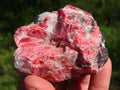
Rhodonite is associated with emotional healing and the integration of difficult experiences. Through its gentle symbolic energy, it is often chosen by people going through stages of inner reconstruction and seeking to regain their emotional balance.
Kyanite is frequently chosen during periods of inner reorganization and emotional clarification. Its uneven structure is symbolically perceived as an expression of the ability to evolve without rigidity and without losing personal authenticity.
Triclinic crystals are symbolically associated with the idea that beauty and balance do not always arise from geometric perfection, but from the ability to integrate change, imperfection, and continuous transformation.
Thus, the metaphysical properties associated with the triclinic system derive directly from its geometry and atomic organization: free, asymmetric, and transformative. It is precisely this structure that inspired the idea that these crystals can symbolically support authenticity, creativity, and profound processes of inner evolution.
Beyond their visible beauty, crystals conceal extremely precise atomic structures within, built according to geometric laws that have repeated in nature for millions of years. Each crystal system — cubic, hexagonal, trigonal, tetragonal, orthorhombic, monoclinic, or triclinic — creates a different organization of matter, and this internal order influences both the shape of the crystal and the way it is perceived symbolically.
Compact and symmetrical systems, such as the cubic one, convey a sense of stability, protection, and inner structure. Fluid and oriented systems, such as the hexagonal or trigonal one, are associated with harmony, transformation, and the circulation of energy. More flexible structures, such as monoclinic or triclinic ones, inspire the idea of adaptation, healing, and authenticity.
In crystal healing and sacred geometry, these associations do not appear by chance. The human mind reacts instinctively to geometry. Stable shapes create a sense of safety, vertical ones suggest direction and focus, while organic and asymmetrical structures convey freedom and transformation.
Perhaps the true fascination of crystals comes precisely from this meeting point between science and symbolism. Within them there is both pure mathematics and atomic order, as well as the human capacity to find meaning, balance, and beauty in the forms of nature.
Crystal systems represent the way atoms are organized inside crystals. This internal structure influences the shape, symmetry, transparency, and properties of minerals.
The seven crystal systems are: cubic, hexagonal, trigonal, tetragonal, orthorhombic, monoclinic, and triclinic. Each has a different atomic arrangement and develops specific geometric shapes.
The crystal structure influences how the crystal grows, reflects light, withstands pressure, and develops certain geometric shapes. In crystal healing, these geometries are symbolically associated with different types of energy.
Among the best-known cubic crystals are pyrite, fluorite, galena, and diamond. These are often associated with stability, protection, and grounding.
The hexagonal system is a structure based on six balanced sides and appears frequently in crystals such as amethyst, citrine, or rock crystal. It is symbolically associated with harmony, clarity, and energy flow.
Yes. In crystal healing and sacred geometry, the shape and structure of crystals are symbolically associated with certain emotional and energetic processes. Stable shapes are linked to protection, while fluid ones are linked to transformation and balance.
The crystal can be chosen according to what you feel you need at that moment. Cubic crystals are associated with stability, hexagonal ones with harmony, and trigonal ones with transformation and inner direction.
Quartz belongs to the hexagonal crystal system. This family includes amethyst, citrine, smoky quartz, and rock crystal.
Pyrite belongs to the cubic crystal system and often develops nearly perfect natural cubes due to its highly symmetrical atomic arrangement.
The hexagonal system is associated with harmony and balance, having structures based on six sides, while the trigonal system is built around threefold symmetry and symbolically conveys direction, transformation, and evolution.
In crystal healing, the cubic system is most often associated with protection and stability due to its compact and balanced geometry.
The hexagonal and monoclinic systems are frequently associated with harmony and emotional balance, because their shapes create a sense of natural flow and adaptability.
For those who wish to discover the natural beauty of crystals, the mineral and jewelry collections in the Druzy online store bring together carefully selected pieces, chosen for their unique shapes, colors, and energy.
If you want to deepen the connection between crystals, symbolism, and their energy in different spiritual traditions, below you can also discover other articles dedicated to semi-precious stones, crystal systems, and astrological influences.