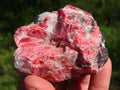
What is aventurine and what properties does it have?
Aventurine is a variety of quartz with natural inclusions (fuchsite, hematite, or dumortierite) that give it shades of green, yellow, or blue. It has properties associated with emotional balance, mental clarity, positive energy, and the manifestation of intentions. It is frequently used in jewelry, bracelets, and necklaces due to its natural appearance and gentle vibration. Authentic aventurine displays aventurescent reflections and visible mineral inclusions in light, easily distinguishing it from glass imitations.
Aventurine is one of the most fascinating crystals of the quartz family, appreciated for its delicate shimmer, its calm vibration, and the way it opens new paths emotionally, mentally, and spiritually.
What truly makes it special is its chromatic variety, with each shade expressing a different facet of aventurine's energy.
The three main types — green aventurine, yellow aventurine, and blue aventurine — together create a rich palette of properties, symbols, and subtle effects on the soul.
Green aventurine, the most widespread and also the most loved, is the stone of the heart and emotional healing. Known as the "stone of luck," it brings abundance, inner growth, and balance.
Yellow aventurine, bright and solar, is associated with willpower, determination, and vital energy. It is the stone of optimism and motivation, an ally of success and confidence in one's own abilities.
Blue aventurine, profound and introspective, is the crystal of mental calm and discernment. It supports clarity, authentic communication, and the ability to make mature and responsible decisions.
Together, these varieties make up the universe of aventurine: a versatile crystal with complementary energies that can be adapted to any stage of life. In this article, we will explore in depth the meaning of aventurine, its unique properties, benefits on multiple levels, and how it can be easily integrated into your daily rituals.
Aventurine is a gentle yet powerful guide — a crystal of opportunities, abundance, and inner maturity.
This article is the most complete guide dedicated to aventurine, exploring its authentic properties, main types (green, yellow, and blue), geological formation, energetic significance, use in jewelry, how to recognize natural aventurine, and recommendations for each zodiac sign. An encyclopedic, poetic, and profound text that combines the science of mineralogy with the wisdom of traditions. Perfect for those who want to understand the essence of this stone and integrate it into their lives consciously.
1. Aventurine Properties – Understanding the Crystal Based on Its Variety
Aventurine is a complex crystal with a stable and gentle energy that manifests differently depending on its color. The three main varieties – green aventurine, yellow aventurine, and blue aventurine – reveal distinct nuances of the same inner force.
Each type of aventurine carries a unique symbolism, a certain energetic quality, and a specific influence on emotions, mind, and spirit.
Green Aventurine – Properties of Healing and Abundance
Green aventurine is the most popular variety and is well known as the "heart stone." It works deeply with emotions, heals old wounds, and restores the natural flow of love and compassion. It is considered the crystal of abundance and prosperity, helping you cultivate an open and receptive attitude towards opportunities.
You can delve deeper into its meaning in the dedicated article:
The energy of green aventurine is one of growth: inner growth, financial stability, reconnection with nature, and with your own emotions. It is ideal in periods of regeneration, transformation, and re-grounding.
Yellow Aventurine – Properties of Solar Energy and Personal Power
Yellow aventurine is the crystal of willpower, determination, and motivation. Its warm energy activates the solar plexus, the center of self-confidence and committed actions. It is recommended for those who feel the need for a boost in projects, clarity in objectives, and an optimistic energy to support initiative.
Yellow aventurine helps turn intentions into reality and maintain an active yet balanced pace. It is the stone of gentle courage, encouraging you to assert your identity without aggression but with inner firmness.
Blue Aventurine – Properties of Calm, Clarity, and Assumed Decisions
Blue aventurine is the introspective, mature, and profound variety. It is a crystal of authentic communication, mental purification, and discernment. It supports decision-making with responsibility and helps organize thoughts when life becomes chaotic.
You can read the full article about blue aventurine here:
Its energy is calm but incisive. The stone does not force change but creates the necessary clarity for the right direction to become visible. It is ideal for periods of transition, introspection, and personal maturation.
Aventurine as a whole – three complementary paths of the same stone
Together, the three types of aventurine form a complete map of personal evolution:
green aventurine heals and opens the heart
yellow aventurine activates willpower, energy, and inner strength
blue aventurine offers mental clarity, balance, and discernment
Aventurine, regardless of color, is a crystal of inner maturity. Each variety represents a stage: healing, activation of personal energy, and finally, decision-making clarity.
This versatility makes aventurine one of the most valuable crystals for those on the path of personal development.
We invite you to explore all these types in the complete aventurine collection on Druzy, where each shade tells its own story.
Essential products for beginners:
2. Formation of Aventurine – three stories about time, pressure, and light, depending on the variety
Aventurine is not just a simple stone, but the result of a slow, elegant, and deeply symbolic geological history. To truly understand the energy of each variety – green, yellow, and blue – it is important to know not only how they look, but how they were born.
Inside aventurine, there are stories written in pressure, mineralization, temperature, and time. And each type has its own mineralogical genealogy, its own process of "blooming" into stone.
Green Aventurine – mineralization through fuchsite, the meeting of the heart with chromium
Green aventurine is, in its essence, a variety of quartz that has encountered fuchsite, a muscovite colored green due to chromium ions.
This encounter is not coincidental. It requires: – moderate temperatures, – constant pressures, – hydrothermal environments rich in silica, – the natural presence of chromium in the rock.
Formation phase: Green aventurine is born in cracks and cavities in metamorphic and magmatic rocks, where hydrothermal fluids loaded with silicon circulate slowly, depositing thin layers of quartz.
In this process, sheet by sheet, fuchsite is trapped inside the quartz. Its inclusions have pearly reflections and create the aventurescent effect – the play of lights that seems to breathe inside the stone.
Geological symbolism: Green aventurine is literally a birth through healing. Fuchsite (which also appears in stones associated with healing, such as seraphinite) imparts a frequency of calm and regeneration.
It is the stone that has learned to grow in the presence of chromium, an element of plant life. Therefore, green aventurine carries the energy of nature, the heart, and slow and profound transformation processes.
Yellow Aventurine – the fusion between quartz and hematite, solar light trapped in rock
Yellow aventurine is rarer and more solar in energy, and its formation is closely linked to hematite, limonite, or other iron oxides that give it golden hues.
Formation process: The presence of iron in hydrothermal fluids completely changes the coloration. As quartz crystallizes, fine particles of hematite or limonite are captured in the matrix, reflecting light like small golden sparks.
This process requires: – slightly higher temperatures, – high concentrations of iron in the environment, – oxygenated conditions.
In the geology of yellow aventurine, there is always a "burning" source of iron inside the rocks — symbolically, an inner fire.
Geological symbolism: Yellow aventurine is the stone that "forms under the sun," even though it is actually born in the depths. Iron is the element of will, resilience, and controlled burning.
That is why this variety is associated with: – vitality, – confidence, – personal energy, – self-assertion.
Its energy carries the imprint of iron minerals: direction, verticality, action.
Blue aventurine – the meeting of quartz with dumortierite, the mineral of clarity and mental order
Blue aventurine is made of quartz incorporating delicate fibers of dumortierite – a blue-violet mineral associated with structuring thoughts and inner discipline.
How it forms: Dumortierite forms at high temperatures, often under conditions of regional metamorphism. Subsequently, dumortierite-rich areas intersect with siliceous hydrothermal flows, and the blue particles are trapped in the forming quartz.
This process involves: – high pressures, – high temperatures, – metamorphic transformations, – fractures refilled with silicon.
That is why blue aventurine has a different energy: it is "shaped" by pressure, order, and internal alignment.
Geological symbolism: Dumortierite is the mineral whose fibers resemble lines of force, lines of structure. When these are captured in aventurine, the stone becomes a "map of order," a crystal of clarity, mental organization, and assumed decisions.
Blue aventurine is the stone of matured consciousness — born under pressure, like great revelations.
Aventurine – a mineral, three ways to take form in the world
From a geological perspective, aventurine is a rare case where the same quartz matrix absorbs three types of inclusions and, with them, three distinct energies: – fuchsite brings the green of healing, tranquility, and renewal, – hematite and iron oxides bring the yellow of willpower and inner radiance, – dumortierite brings the blue of clarity, mental balance, and integrity.
The aventurine triad is a story about time, pressure, and opportunity: the same hydrothermal process can create three different stones, just because the elements encountered along the way were different.
In this way, aventurine becomes a metaphor for choice: what you encounter in life shapes who you become — and each variety captures another stage of becoming.
Photo credit: Druzy
3. Places in the world where aventurine is found – a synthesis by varieties
The formation of aventurine is closely linked to the geology of the place, and each region imparts a certain shade and character to the stone. Although all varieties are born from quartz loaded with specific inclusions, their color and energy are directly influenced by the soil in which they grew.
Green aventurine – where chromium meets quartz
Green aventurine forms when fuchsite – a chromium-rich muscovite – penetrates the quartz matrix. Areas where chromium is naturally present give rise to the most beautiful shades of green.
India is the most important source, with intensely green, bright, well-aventurescent aventurine. Brazil offers a milder, milky green with a calm light. Russia produces aventurine with cool, stable tones due to mica-rich soils. Tanzania and Kenya give the stone a deep, vital green, influenced by African soils with intense chromium. Canada offers calm and uniform varieties, appreciated for their stability.
The energy of chromium-rich regions is reflected in the healing, balance, and prosperity vibration of green aventurine.
Yellow Aventurine – where iron ignites solar hues
Yellow aventurine appears when quartz includes fine particles of hematite, limonite, or other iron oxides. The presence of iron radically changes the color, giving rise to a warm, solar yellow.
India produces the most vibrant shades, with strong golden reflections. Brazil offers a pale, delicate yellow with a gentle energy. Madagascar is known for its intense, almost honey-like yellow, with a strong personality.
Iron-rich areas imprint yellow aventurine with an active, solar energy, associated with motivation and clarity of direction.
Blue Aventurine – where dumortierite dances with quartz
Blue aventurine forms through the natural inclusion of dumortierite, a blue-violet mineral related to metamorphism and high pressures. It gives the stone a deep shade and introspective energy.
India offers the most intense form: cobalt blue, dense, with fine reflections. Brazil produces softer, pastel tones as a result of a calmer geological environment. South Africa offers rare specimens with shades leaning towards violet, due to the unique structure of the local dumortierite.
Blue aventurine, born in regions with high pressure and deep metamorphism, carries a vibration of clarity, mental order, and conscious decision.
Photo credit: Druzy
4. Aventurine Jewelry – Complete Guide for Bracelets, Necklaces, and Zodiac Signs (green, yellow, blue)
Aventurine is one of the most expressive crystals when worn as jewelry. Each variety – green aventurine, yellow aventurine, and blue aventurine – manifests differently in bracelets, necklaces, or pendants, and their energy is directly felt when alternating between the skin and the natural movement of the hand or neck area.
Aventurine bracelets convey the rhythm of the day, necklaces support the heart and communication area, and alternating the three varieties allows for a gradual harmonization of the inner state: healing, energy, and clarity.
In astrology, these three types resonate differently with each zodiac sign, creating a valuable guide for choosing the most suitable jewelry.
Green Aventurine – bracelets and necklaces for healing, abundance, and emotional balance
Green aventurine is the stone of the heart. Green aventurine bracelets are worn as a continuous process of calming, reconnection, and regeneration, as they remain in direct contact with the skin and constantly transmit the gentle energy of the crystal.
Green aventurine necklaces placed in the chest area work deeply with the heart chakra, soothing emotions and encouraging emotional openness. Many choose to alternate green aventurine bracelets and necklaces throughout the week to maintain a harmonious emotional flow.
In astrology, green aventurine has a strong resonance for Taurus, Cancer, and Virgo, being their stone of balance, prosperity, and self-awareness.
This variety is ideal for those who want constant support on an emotional level or are going through a period of healing and inner reorganization.
Yellow aventurine – bracelets and necklaces for willpower, courage, and solar energy
Yellow aventurine is the stone of the solar plexus. In bracelets, it becomes a boost of energy, clarity, and determination. Many wear it on days when they need focus, personal strength, and action. The solar color stimulates optimism, and direct contact with the skin amplifies this vibration.
In necklaces, yellow aventurine supports authentic expression, identity affirmation, and practical creativity. Alternating it with green aventurine can bring a healthy balance between heart and will.
Fire signs – Aries, Leo, Sagittarius – resonate excellently with yellow aventurine, while Gemini and Libra benefit from the mental clarity it offers.
This type of aventurine is recommended for those starting new projects, asserting their professional direction, or needing a catalyst for confidence.
Blue aventurine – bracelets and necklaces for clarity, communication, and decisive decisions
Blue aventurine is the stone of clear mind and mature communication. Blue aventurine bracelets are worn during times of change, intense thinking, or when a committed decision is needed. Continuous contact with the skin facilitates mental stability and thought organization.
Necklaces with blue aventurine support the throat chakra and personal truth expression, being ideal for those who give presentations, negotiate, communicate a lot, or need inner clarity.
Some people choose to alternate blue aventurine with yellow aventurine to combine mental clarity with personal direction.
In astrology, blue aventurine is the stone of Aquarius, Capricorn, and Libra, helping with clear thinking, coherent structures, and balanced communication.
It is recommended during times of transition, personal redefinition, or mental reorganization.
Aventurine Bracelets – How to Choose Based on Intention
Bracelets are the most direct form of wearing, as they move with the body and alternate crystalline energy according to your inner rhythm.
When you need healing, choose green aventurine. When you need energy and direction, choose yellow aventurine. When you need clarity and discernment, choose blue aventurine.
Alternating them throughout the week creates a complete cycle: heart – will – mind.
Aventurine Necklaces – How They Influence the Heart and Communication Area
Necklaces and pendants are sacred jewelry in crystal therapy, as the crystal touches one of the most sensitive energy areas of the body: the chest and throat.
The green aventurine necklaces support emotional healing and heart opening. The yellow aventurine necklaces activate personal power and creative expression. The blue aventurine necklaces support clear communication and mature decisions.
You can alternate these necklaces according to emotional states or daily challenges.
5. How to Recognize Authentic Aventurine
Authentic aventurine has a distinct presence that a keen eye can immediately recognize. In its natural form, aventurine exhibits a delicate texture, where quartz grains intertwine with mineral inclusions visible only in light. The green hue comes from fuchsite, the yellow from iron oxides, and the blue from fine dumortierite fibers. These real inclusions are not uniform: they show variations, micro-reflections, light plays – a clear sign of a natural stone.
One of the most important characteristics of authentic aventurine is the aventurescent effect: a subtle internal shimmer, a "dance" of light that is only visible when the stone is slightly tilted. In imitations, this light is too strong or too uniform, as colored glass cannot replicate the natural finesse of mineral inclusions.
The real stone is never perfectly homogeneous. It has depth, variations, small irregularities, depths that seem to hold old stories. In contrast, glass or synthetic stones have an appearance that is too clean, too smooth, too "manufactured".
At Druzy, each aventurine is hand-selected based on color clarity, the naturalness of inclusions, geological vibration, and certified authenticity. We work only with specialized suppliers, and the pieces are carefully checked to ensure that each crystal is 100% natural, untreated, and true to its mineral origin. Because the beauty of aventurine comes from its authenticity, not artificial perfection.
Photo credit: Druzy
"Crystals are poems sculpted by the hands of time, holding within them the secrets of entire existence."
6. Final Reflection – Aventurine and the Art of Conscious Choice
Aventurine is more than a semi-precious stone: it is an inner map in three colors – the green of healing, the yellow of will, and the blue of clarity. Each variety speaks of a stage of personal transformation and each piece of jewelry, whether a bracelet, a necklace, or a pendant, becomes a bridge between human energy and nature's wisdom.
Green aventurine opens the heart and restores emotional balance.
Yellow aventurine activates courage, determination, and inner light.
Blue aventurine clarifies the mind, organizes thoughts, and supports committed decisions.
Combined, worn alternately or chosen intuitively, aventurine becomes a silent ally in daily life, a crystal that does not promise miracles, but creates space for each person's own wisdom.
In the end, aventurine does not change you — it reminds you of who you are. And this is sometimes the greatest transformation possible.
FAQ – Frequently Asked Questions about Aventurine Stone (green, yellow, blue)
1. What is aventurine and why is it used in jewelry?
Aventurine is a type of quartz with natural inclusions (fuchsite, hematite, dumortierite) that give it its distinct color: green, yellow, or blue. It is used in bracelets and necklaces for its constant and gentle energy, as well as for its elegant and natural appearance.
2. What is the difference between green, yellow, and blue aventurine?
Green aventurine is the stone of the heart, associated with emotional healing and abundance. Yellow aventurine activates willpower, courage, and personal energy. Blue aventurine supports mental clarity, communication, and committed decisions. Each variety has a distinct vibration and can be worn depending on personal intention.
3. What is the significance of aventurine bracelets?
Aventurine bracelets are worn in direct contact with the skin, allowing the stone's energy to naturally alternate with the body's energy. They are used for balancing, calmness, vitality, motivation, or clarity – depending on the type of aventurine chosen.
4. Are aventurine necklaces as effective as bracelets?
Yes. Aventurine necklaces work deeply with the heart and throat area, amplifying effects related to emotions, communication, and personal expression. Many people choose to alternate between bracelets and necklaces depending on their inner state or the type of day they have.
5. For which zodiac signs is aventurine suitable?
Green aventurine resonates with Taurus, Cancer, and Virgo. Yellow aventurine suits Aries, Leo, and Sagittarius. Blue aventurine harmonizes Aquarius, Capricorn, and Libra. However, aventurine is a universal stone and can be worn by any zodiac sign.
6. Can I combine or alternate multiple types of aventurine?
Yes, it is even recommended. Many people wear green aventurine on days when they need emotional healing, yellow during periods when they need energy, and blue when they have to make important decisions. Alternating them creates a natural cycle of inner balance.
7. Can I wear aventurine together with other crystals?
Aventurine harmonizes well with rose quartz, amethyst, citrine, calcite, sodalite, and labradorite. For more intense combinations, it can be worn with obsidian or black tourmaline for protection.
8. How do I choose the right aventurine bracelet for me?
Choose green aventurine if you want healing, calm, and emotional balance. Choose yellow aventurine if you need motivation, confidence, and personal power. Choose blue aventurine if you are in a period of mental clarity or intense communication. For a complete approach, you can alternate the three varieties.
9. How do I clean aventurine jewelry and bracelets?
Aventurine can be energetically cleansed in several safe ways: – with running water for 10–20 seconds; – through smoke from sage, palo santo, or incense; – in moonlight, preferably on quiet nights; – through sound (Tibetan bowls, bells); – through intention, holding the jewelry in hands and visualizing the energy cleansing.
Avoid prolonged exposure to sunlight, as aventurine can lose its color over time. For bracelets with elastic or metal inserts, avoid saltwater.
10. How often should I clean aventurine?
If you wear it daily, it is recommended to clean it once a week. If you wear it occasionally, once every 2-3 weeks is sufficient. Cleaning becomes part of the personal ritual and helps the stone maintain its fresh vibration.
11. Can I sleep with aventurine bracelets or necklaces?
Yes, especially with green or blue aventurine, which have a calm vibration. If you feel agitation in the hand or neck area, you can alternate wearing them between day and night. Each person has their own energy sensitivity.
12. Can I give aventurine as a gift?
Aventurine is an excellent choice for gifts: it is gentle, universal, and has a friendly energy. Aventurine bracelets and necklaces are often given at new beginnings, transitional moments, anniversaries, and healing stages.
13. Is it true that aventurine brings luck?
Yes, traditions call it the "stone of luck" due to its opening and balancing energy. Aventurine does not create luck, but it creates the clarity and inner state necessary to recognize opportunities.
15. Does green aventurine have a medical role? Are there any recommendations or warnings?
Aventurine is a natural stone traditionally used for emotional balance and vitality, but it does not have a medical role and does not replace professional recommendations. Its use is complementary, and the experience differs from person to person. For best results, it is recommended to choose authentic crystals from trusted sources.
✍️ About the author: Article written by the editorial team druzy.eu – enthusiasts of crystals, minerals, and their ancient stories. All information is carefully researched to offer you an authentic and profound experience.