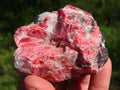
Crystal therapy – The ancient magic of stones that speak to the soul
Written by: Echipa Druzy
|
|
Time to read 18 min
What is crystal therapy?
Crystal therapy is a complementary practice that uses natural stones and crystals as support for emotional, mental, and energetic balance. Crystals do not act independently, but function as a catalyst for personal intention and awareness, helping support states of calm, clarity, and inner reconnection.
In a hurried world, where the external rhythm often becomes stronger than the inner voice, more and more people feel the need for a return—not to something new, but to something forgotten. A form of calm that does not come from outside, but is rediscovered in the relationship with nature, with matter, and with one's own body.
Crystal healing reappears not as a trend, but as a rediscovered practice. Its roots are found in ancient traditions, but also in its modern form, where crystals are regarded not as “miraculous” tools, but as supports for awareness, attention, and inner regulation.
Crystal healing is not a method that acts in place of the person. It is, rather, a meeting space: between intention and matter, between perception and presence. Contemporary practitioners speak about crystals as stable natural structures, capable of reflecting, amplifying, or supporting certain states, depending on how they are used.
Beyond symbols and traditions, the relationship with a crystal becomes a deeply personal one. Not because the stone directly “does” something, but because it offers a point of support in an already existing inner process. In this sense, crystal healing can be seen as a form of silent dialogue—between human and nature, between attention and balance, between what we are and what we need to understand.
Crystal healing is not just an alternative balancing method. It is a form of nature’s silent poetry, a subtle science of resonance, a bridge between matter and spirit.
Photo credit: Unsplash
This guide is designed as a clear and in-depth introduction to the world of crystal healing. You will understand what it is, how it works, and how you can integrate crystals into your daily life. Without exaggerated promises, but with balanced explanations and practical examples, the article helps you consciously choose the right stones for yourself — whether you use them for relaxation, mental clarity, or personal connection.
1. What crystal healing is and how it works
Crystal therapy is a complementary practice that explores the relationship between humans and the natural structures of minerals, being used as support for emotional, mental balance and a state of presence. In contemporary approaches, crystals are not viewed as tools that directly “heal,” but as elements that can support an already existing inner process.
The ordered molecular structure of a crystal gives it remarkable physical stability. This stability is often interpreted, in practice, as a form of energetic coherence, which can subtly influence the way we relate to our own body and our inner states. Rather than acting as an external “regulator,” the crystal functions more as an anchor point for attention and intention.
Interaction with a crystal does not produce changes in the absence of personal involvement. Its role is to support processes such as clarifying emotions, relaxation, or reconnection, depending on how it is integrated into practice. For this reason, crystals are frequently used in meditation, in personal rituals, or worn as jewelry, becoming physical reference points for a state we wish to cultivate.
Crystals can be associated with a conscious intention, not in the sense that it is “stored” in the stone, but because they help maintain focus and inner continuity. In this way, they become supportive tools, not autonomous sources of transformation.
Crystal therapy does not replace medical or psychological interventions, but it can accompany, in a gentle, natural, and non-invasive way, the process of inner balancing. It invites a more conscious relationship with one’s own states and with the surrounding environment, offering a simple yet profound framework for reconnection.
Photo credit: Druzy
2. The benefits of crystal healing for emotional balance
In modern practice, crystal healing is used as a support tool for one’s inner state, not as a quick or universal solution. Its benefits appear over time and are closely linked to the level of awareness, intention, and personal involvement. In this context, crystals become simple yet effective reference points for cultivating balance and clarity.
One of the most frequently observed effects is support for relaxation and stress reduction. In moments of tension, the simple presence of a natural, stable, and familiar object can help slow the inner pace and return to a state of calm. That is why many people choose to deepen their use of crystals in specific contexts, such as crystals for anxiety and emotional balance.
Crystal healing is also often associated with the process of emotional clarification . Instead of “eliminating” difficult emotions, it creates a space in which they can be observed, understood, and integrated. This can contribute to better management of relationships and emotional states, which is why many choose to also explore crystals for love and relationships.
For many people, working with crystals also becomes a way to support sleep quality and deep relaxation. Integrating them into the evening routine — either as objects placed in the space or as a symbolic presence — can help create a calmer and more coherent environment. If this direction interests you, you can discover more about crystals for restful sleep and lucid dreams.
It is important to understand that these benefits are not generated automatically by the crystal itself, but arise as a result of a conscious and consistent interaction. Crystal healing does not offer immediate solutions, but over time it can support an authentic process of inner regulation when it is integrated with patience and attention.
Photo credit: Druzy
3. Crystals and chakras: how to choose the right stones
In many traditions, the body is viewed not only as a physical structure, but also as a system of energy centers, known as chakras. Each of these centers is associated with certain emotional and mental functions, and consciously working with them can support inner balance and personal clarity.
Crystals are often chosen according to their correspondence with these centers, especially through color, structure, and symbolism. This is not about a fixed rule, but rather a way of directing attention and intention toward a certain area of inner experience.
Choosing a crystal is not based on rigid rules, but on a personal process in which intuition, inner need, and life context play an essential role. Although there are well-known guides and correspondences, direct experience remains the most valuable reference point.
A first selection criterion is related to the state you wish to support. Some people seek peace and relaxation, others clarity or energy. In this sense, crystals can be chosen as points of support for these directions, without requiring in-depth prior knowledge.
Another common way of choosing is by color, as it creates an immediate visual and emotional connection. Warm tones may suggest energy and vitality, cool tones may induce calm and clarity, while neutral or translucent shades are often associated with balance and simplicity.
Equally important is the shape of the crystal. Raw crystals retain a natural, authentic appearance and are preferred by those seeking a direct connection with the material. Polished forms, such as spheres or palmstones, offer a pleasant tactile experience and are easy to incorporate into personal rituals or moments of relaxation.
Jewelry with semi-precious stones represents a practical choice for daily use. Worn as bracelets, necklaces, or pendants, they become a constant, discreet presence that supports continuity of intention and awareness of one’s own state.
For those who are just beginning, it is helpful to avoid over-analysis and pay attention to the natural reaction to a crystal. Very often, the “right” choice is the one that appears spontaneously, effortlessly, as a form of personal resonance.
At the same time, experience is built over time. Working with crystals does not require accumulating a large number of pieces, but developing a conscious relationship with the ones chosen. Even a single crystal can become enough when it is used with clarity, patience, and intention.
Integrating crystals into everyday life does not involve complicated rituals, but rather simple and consistent gestures that support an inner state chosen consciously. The way they are used may vary from person to person, depending on rhythm, lifestyle, and intention.
One of the most common forms of use is wearing crystals as jewelry. Bracelets, necklaces, or pendants allow a constant, discreet connection with the chosen stone, becoming a physical anchor for attention and presence throughout the day.
Crystals can also be used in moments of quiet or meditation. Held in the hand or placed nearby, they can help create a stable setting in which attention can more easily return inward. No complex technique is necessary — simple conscious presence is enough.
In personal spaces, crystals are often integrated as decorative elements with a functional role. Placed on a desk, by the bed, or in a visible spot, they can contribute to shaping a calmer and more coherent environment, in which intention becomes part of the atmosphere.
To support relaxation, many people choose to use crystals in their evening routine. Placing them near the bed or using them before sleep can become a subtle signal for slowing down and transitioning toward rest.
Another approach is associating crystals with clear intentions. Whether it is clarity, balance, or focus, the crystal becomes a point of reference that helps maintain inner direction throughout the day.
It is important to remember that the effectiveness of these practices does not come from complexity, but from consistency and presence. Crystals do not directly change reality, but they can support a different way of experiencing it when they are integrated with attention and intention.
6. How crystals are cleansed and cared for
Caring for crystals is less about strict rules and more about attention and respect for the natural material. Since they are formed under specific geological conditions, some crystals are sensitive to factors such as water, light, or temperature changes, and the way they are stored can influence their appearance and durability.
Physical cleaning is the first step. Dust or signs of use can be removed with lukewarm water and a soft cloth, but it is important to know that not all crystals tolerate contact with water. For example, some more fragile or porous minerals may require dry cleaning methods to avoid damage.
Beyond the physical aspect, many people also choose to include a form of symbolic cleansing as part of their personal relationship with the crystal. This can take the form of a break from use, a reset of intention, or a quiet moment in which attention is brought back to the purpose for which the crystal is used.
Exposure to natural light is sometimes used as a refreshing method, but it must be done carefully. Some crystals can lose the intensity of their color if they are left in direct sunlight for too long, which is why moderate and controlled exposure is recommended.
Equally important is proper storage. Crystals can be stored separately or in protected spaces to avoid scratching or damage, especially in the case of polished pieces or jewelry. Organizing them carefully contributes not only to protection, but also to a more mindful relationship with the objects we use.
Caring for crystals is not a complicated process, but it reflects the way we choose to relate to them. Through care, simplicity, and consistency, these natural objects can preserve their beauty and role in everyday life for a long time.
If you want to explore the correct methods tailored to each type of mineral in more depth, you can consult the complete guide on how to clean crystals, where you will find detailed explanations and practical recommendations.
7. The history of crystal healing in ancient civilizations
The use of semiprecious stones in symbolic, spiritual, or ritual contexts has been documented in numerous cultures over thousands of years. Although interpretations differ from one civilization to another, the constant presence of crystals in these practices suggests a profound relationship between humans and the mineral world.
In ancient Egypt, stones were integrated both into daily life and into funerary rituals. Lapis lazuli, for example, was associated with protection and mental clarity, being used in amulets, jewelry, and sacred objects. Crystals were also placed in sarcophagi as part of the belief in a continuity of existence beyond physical life.
In Indian traditions, ancient systems of knowledge include references to the use of minerals in balancing contexts. Stones were correlated with different aspects of the body and inner state, being integrated into practices aimed at harmonizing the whole rather than providing targeted intervention.
In Chinese culture, jade held a central place, being considered a symbol of purity, longevity, and balance. It was used both in decorative objects and in ritual contexts, and its value went beyond the aesthetic dimension, being associated with order and natural harmony.
Civilizations in Central America, such as the Maya, used obsidian for practical and symbolic purposes. Beyond its use as a material for tools, it was also present in rituals, where it was associated with reflection and inner perception.
In Europe, references to the use of crystals appear in Greek and medieval writings. From attributing symbolic properties to certain stones to integrating them into objects worn for protection, these practices reflect a continuity of interest in the relationship between humans and minerals.
Viewed as a whole, this history does not provide uniform evidence, but rather clues about how different cultures assigned meaning and value to crystals. Today, crystal healing is shaped at the intersection of these traditions and personal experience, being more of a tool for inner exploration than a rigidly defined practice.
Photo credit: Druzy
8. Legends and symbols of crystals
Semi-precious stones are not only forms of nature, but also bearers of stories that have crossed ages and cultures. Around them, symbols, myths, and interpretations have been built that reflect the way people have sought, over time, meaning, protection, and connection. These narratives do not define crystals in an absolute way, but they give them a cultural and emotional dimension that continues to inspire.
Amethyst frequently appears in ancient traditions as a symbol of clarity and discernment. In Greek mythology, the story of the transformation of the young Amethyst into a crystal is linked to the idea of protection and transformation. Its violet shade has, over time, been associated with inner reflection and balance.
Rose quartz is often associated, in traditional symbolism, with the idea of emotional openness and harmony in relationships. In some mythological interpretations, it is considered a symbol of love and reconciliation, reflecting the human desire for closeness and understanding.
Obsidian , with its darkened and reflective surface, was perceived in various cultures as a tool for introspection. Civilizations in Central America used it both practically and symbolically, associating it with the idea of reflection and awareness.
Tourmaline is accompanied by stories that connect it to diversity and balance. In certain traditions, it is symbolically described as a stone that “passed through all colors,” suggesting the idea of integration and harmony between contrasts.
These legends should not be viewed as literal explanations, but as expressions of the way people have assigned meaning to the world around them. They highlight the profound relationship between humans and nature and show how crystals have become, over time, symbolic markers for emotions, intentions, and inner experiences.
9. The limits of crystal healing and the role of personal awareness
Despite its growing popularity, it is important for crystal healing to be understood realistically. It is not a medical treatment method and does not act independently of the person. Crystals do not produce changes directly, but can support, in certain contexts, inner processes that have already been initiated.
Attributing absolute or universal effects to crystals can create unrealistic expectations. The experience differs from one person to another and is influenced by factors such as emotional state, level of awareness, and degree of personal involvement. In this sense, crystal healing does not offer guaranteed results, but rather a framework in which each person can observe their own reactions and transformations.
The central role always remains with the person. Intention, attention, and consistency are the elements that support any balancing process. The crystal can become a reference point, a symbol, or a source of support, but it does not replace individual choices, actions, and responsibility.
It is also essential that the use of crystals should not substitute medical or psychological interventions when these are necessary. Crystal healing can accompany a process, but it cannot replace it. This distinction is important in order to maintain a healthy and balanced relationship with any complementary practice.
Viewed in this way, crystal healing becomes less about immediate results and more about process, patience, and awareness. It invites a more attentive relationship with oneself and with the surrounding environment, offering a simple yet authentic framework for inner exploration.
Photo credit: Unsplash
10. Crystal healing: a path to inner reconnection
Crystal healing does not offer quick answers and does not promise overnight transformations. At its core, it is an invitation to slow down, to observe, and to reconnect with your own inner rhythm. In a world where solutions are often sought externally, it brings attention back to where any real change begins: within.
Crystals, in their simple and stable form, become reference points in a personal process. Not because they hold a universal answer, but because they can support a state of presence, clarity, and continuity. In the relationship with them, each person builds their own meaning, their own rhythm, and their own experience.
Whether you choose to wear a crystal, place it in your space, or use it in moments of stillness, what matters is not the object itself, but the way you choose to be present in that gesture. In this simplicity lies, very often, the deepest form of balance.
Crystal healing is not about accumulation, but about relationship. Not about having more stones, but about better understanding what you are seeking. And sometimes, a single crystal, chosen consciously, can be enough.
If you feel that this path resonates with you, you can begin simply: by choosing a stone that catches your attention, without complicated explanations. From there, everything becomes a process — personal, quiet, and at your own pace.
Frequently asked questions about crystal therapy (FAQ)
1. What is crystal therapy?
Crystal therapy is the use of natural crystals as support for emotional and mental balance, based on the interaction between the person and the natural environment.
2. How does crystal therapy work?
Crystals do not directly “heal,” but rather support the person's inner process, amplifying intention, attention, and a state of presence.
3. What benefits do crystals have?
They can contribute to relaxation, mental clarity, stress reduction, and the creation of a more balanced inner space.
4. How do I choose the right crystal?
The choice is made intuitively or according to personal need: emotional, mental, or energetic.
5. Can I use crystals daily?
Yes, crystals can be worn or kept nearby daily, as objects of support and personal reflection.
6. Is there scientific evidence for crystal therapy?
Crystal healing is not a scientifically validated medical method, but a complementary practice based on personal experience and traditions.
7. How are crystals used in practice?
By wearing them (jewelry), meditation, placing them in a space, or using them in personal rituals.
8. Do crystals need to be cleansed?
Yes, many people choose to symbolically cleanse them periodically (water, smoke, light) to maintain them as objects of intention.
9. What is the connection between crystals and chakras?
In spiritual traditions, certain crystals are associated with energy centers (chakras), being used to support inner balance.
10. Can crystals replace medical treatments?
No. Crystals are a complementary support and do not replace medical treatments or advice.
👉 If you want to discover natural crystals that may intuitively attract you, explore our collection of crystals and semi-precious stones.
Articles about crystals, zodiac signs, and semi-precious stones:
If you want to deepen the relationship between inner states, crystals, and natural rhythms, the articles below offer you perspectives and practical directions for exploration and balance.
✍️ About the author: Article written by the editorial team druzy.eu – passionate about crystals, minerals, and their ancient stories. All information is carefully researched to offer you an authentic and profound experience.