Close-up of a natural turquoise ring set in silver jewelry

Turquoise – the stone of wholeness, inner truth, and authentic manifestation

Written by: Echipa Druzy

|

|

Time to read 14 min

What does turquoise mean?

Turquoise is a semi-precious stone associated with inner truth, authentic communication, and spiritual wholeness. In crystal healing, turquoise is considered a stone of sincere expression and harmony between mind, heart, and soul. For thousands of years, it has been worn as a symbol of protection, clarity, and the connection between humans and the divine.

There are moments in life when a person feels they have drifted away from themselves. That inner voice was lost beneath the noise of the world, beneath expectations, masks, and compromises. In such moments, the need to return appears. Not to a place, but to one's own essence.


Turquoise is the stone of this return.


With its shades that seem to unite sky and earth, spirit and matter, this crystal has been regarded for thousands of years as a symbol of truth, protection, and inner wholeness. Ancient civilizations wore it as a bridge between human and divine, between what the soul feels and what life comes to manifest.


In crystal healing, turquoise is associated with authentic expression and with the power to transform inner truth into reality. It reminds us that true healing begins when a person stops hiding from themselves and has the courage to let their inner voice exist in the world.


Because when what we feel, what we think, and what we live become one, coherence appears. And from this coherence, a profound form of power is born.


Turquoise does not speak of perfection. It speaks of authenticity.
Of the person who finally begins to become whole.

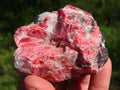
Raw natural turquoise crystal mineral specimen with blue-green color and rough texture on dark background
Photo credit: Druzy

Turquoise is one of the oldest and most beloved semi-precious stones in the world, a symbol of truth, protection, and authentic expression. In this article, you will discover the spiritual meaning of turquoise, its energetic properties, sacred legends, and how it can be worn in jewelry such as necklaces, rings, and bracelets.

1. Turquoise – the stone of the soul expressed without fear

There are stones that impress through rarity. There are crystals that fascinate through color. But turquoise seems to touch something deeper than simple beauty. It speaks of truth. Of wholeness. Of that rare moment when a person stops getting lost in roles, masks, and fears and begins to live in harmony with their own essence.


For thousands of years, turquoise has been considered a sacred stone. Entire civilizations wore it as a symbol of divine protection, wisdom, and the connection between heaven and earth. But beyond legends and traditions, turquoise has remained associated to this day with one of the deepest human needs: the need to become whole.


In the modern world, many people live separated from their own truth. They feel one thing, say another, and live in a completely different way. They hide their vulnerability to be accepted. They lower their voice so as not to disturb. They abandon their dreams to fit into the world around them.


And this inner rupture consumes an enormous amount of energy.


Turquoise is considered in crystal healing to be a stone of rediscovering oneself precisely because it symbolizes the reunification of these inner fragments. It reminds us that true healing begins when a person recognizes their essence and has the courage to express it in the world.

Conceptual image symbolizing inner truth, authenticity and spiritual awakening associated with turquoise

One of the most beautiful symbolic meanings of turquoise is its connection to authentic manifestation.


In spirituality, manifestation is often reduced to desires and intentions. But true manifestation appears when a person stops fighting with themselves.


Because reality responds deeply to coherence.


When what you feel, what you think, and what you express all move in the same direction, energy begins to flow differently. Synchronicities appear. The right people appear. Opportunities appear that once seemed impossible.


Not because the stone creates miracles in our place, but because the person begins to live from an authentic space.


Turquoise supports exactly this transition:
from mask to truth,
from fragmentation to wholeness,
from fear to conscious expression.


It reminds us that every person carries within a unique truth that asks to be brought into the world.


Some express it through art.
Others through words.
Through love.
Through creation.
Through the courage to live differently.


Turquoise is the symbol of this inner voice that is finally beginning to be heard.


Due to its connection with sincerity, inner exploration, and the search for meaning, turquoise frequently appears in guides about lucky stones for each zodiac sign and is considered one of the most important stones for those who desire authenticity and inner balance.

2. Legends and sacred symbols of turquoise

Few crystals have crossed human history with the same sacred aura as turquoise. Considered by many traditions to be one of the most important stones of the month of December, turquoise has been associated for centuries with protection, truth, and spiritual wholeness. From the deserts of Egypt to Aztec temples, from the mountains of Tibet to ancient Persian caravans, this stone was regarded not only as a precious ornament, but as a living symbol of protection, truth, and the connection between man and the divine.


Its unusual color, somewhere between the blue of the sky and the green of the earth, led many civilizations to believe that turquoise is a stone on the border between worlds. A bridge between matter and spirit. Between what man lives and what his soul knows in silence.


In Ancient Egypt, turquoise was associated with the goddess Hathor – protector of love, femininity, music, and the joy of living. The turquoise mines in the Sinai Peninsula were considered sacred territories and were called the “Lands of Turquoise.” For the Egyptians, this stone was a manifestation of the sky descended upon the earth.

Spiritual scene inspired by the sacred symbolism and ancient history of turquoise stone

Pharaohs wore turquoise in crowns, necklaces, and amulets to attract divine protection and spiritual clarity. It was believed that the stone could guide the soul through the unseen world and that it gave its wearer the power to lead in harmony with the cosmic will. In many funerary objects discovered in royal tombs, turquoise appears alongside gold and lapis lazuli, in a symbolic combination of eternity, truth, and spiritual regeneration.


The mask of Tutankhamun contains turquoise inlays that had not only a decorative role, but also a ritual one. The Egyptians believed that certain stones could protect the soul after death and help it preserve its identity on the journey to the afterlife.


Thousands of kilometers away, the Aztecs also venerated turquoise in an almost sacred way. For this civilization, the stone was more valuable than gold. Gold belonged to people, but turquoise belonged to the gods.


Aztec artisans created spectacular ceremonial masks from fine pieces of turquoise, considered sacred objects capable of connecting humans with cosmic energies. In religious rituals, turquoise symbolized spiritual fire, the sky, and the energy of life. Rulers and priests wore it during ceremonies to show that their authority came not only from worldly power, but also from a connection with the sacred.


In Persian culture, turquoise was considered a stone of destiny and divine protection. People believed it could defend the wearer from accidents, negative energies, and destructive thoughts. There were legends saying that turquoise changed its color when the person wearing it was going through emotional imbalances or periods of danger.


Beyond superstition, this belief reflected a profound idea: that a person's inner state influences the world around them. Turquoise thus became a symbolic mirror of the soul.


Persian warriors often wore turquoise on their weapons, armor, or turbans, not only for physical protection, but also for mental clarity and inner courage. They believed that a person's true strength comes from the balance between mind, heart, and spirit.


In Tibet, turquoise still holds deep spiritual importance to this day. Unlike other cultures that valued mainly the beauty of the stone, Tibetans saw turquoise as a living being, capable of carrying the energy of generations. That is why many families pass pieces of turquoise down from generation to generation, believing that they preserve the memory of ancestors and the protection of the family.

Turquoise necklaces, bracelets and bohemian jewelry made with natural turquoise stones

In Tibetan traditions, turquoise symbolizes truth, life, and harmony between humanity and the universe. It is associated with sincerity of heart and the courage to live authentically. For many monks and spiritual practitioners, this stone represents the balance between heaven and earth, between spirit and concrete reality.


Among Native American tribes, turquoise was considered a sacred stone of the sky and water. Shamans used it in healing rituals and in ceremonies dedicated to rain, fertility, and spiritual protection. It was believed that turquoise could help a person communicate more clearly with the spirits of nature and find their true path in life.


For many of these tribes, turquoise symbolized personal truth and inner balance. It was worn by those who sought not only protection, but also clarity about their own identity.


In astrology, turquoise is often associated with the expansive and sincere energy of the Sagittarius zodiac sign, being considered a crystal of inner freedom, truth, and authentic expression.


Looking at all these civilizations, a common idea emerges that spans time and cultures:


turquoise has almost always been associated with authenticity.


With the person who finds their voice.
With the person who lives in harmony with their soul.
With the person who stops hiding from their own truth.


Perhaps that is precisely why this stone continues to fascinate even today. Because, beyond its beauty, turquoise seems to carry the memory of a very ancient wisdom:


that true power does not come from control or appearances, but from the courage to become whole.

Collage featuring natural turquoise jewelry including a turquoise necklace, silver ring and bohemian bracelets with turquoise stones
Photo credit: Druzy

3. Turquoise jewelry – symbols of truth worn close to the soul

Beyond its distinctive beauty, turquoise has been worn throughout history as a stone with profound meaning. Turquoise jewelry was not considered mere adornment, but living talismans carrying protection, clarity, and inner truth.


In many ancient cultures, people believed that turquoise had the ability to harmonize the energy of the one who wore it and help them live closer to their own essence. For this reason, this stone was often set in necklaces, rings, and amulets worn directly on the body, close to the heart or the throat chakra.


Turquoise necklaces are perhaps the most symbolic of all the jewelry created with this stone. Being worn close to the throat area, they are associated with authentic expression, sincere communication, and the courage to say what the soul truly feels. In spiritual traditions, the turquoise necklace was worn by those who wished to find their inner voice and express their truth in the world without fear.

Collection of turquoise rings and handcrafted turquoise jewelry in vintage Native American style

Turquoise rings had, in many civilizations, the role of symbolizing protection and personal power. Persian warriors and leaders of Native American tribes often wore rings or seals with turquoise for mental clarity and inner balance. In modern symbolism, a turquoise ring can become a constant reminder of authenticity and reconnection with oneself.


Turquoise bracelets are often associated with the flow of energy and emotional harmonization. The calm and fluid energy of this stone is perceived as support for reducing inner tensions and cultivating a state of peace and sincerity toward oneself.


In contemporary jewelry, turquoise is loved not only for its spiritual symbolism, but also for its natural beauty. Its vibrant shades transform each piece into a fragment of sky worn on the skin. Whether it is set in silver, gold, or integrated into organic and bohemian designs, turquoise always retains the same special energy: the energy of truth expressed with gentleness.


Perhaps that is precisely why turquoise jewelry continues to fascinate entire generations. Because it speaks not only of aesthetics, but of something much deeper:
the courage to be exactly who you are.


Today, natural turquoise jewelry continues to be appreciated both for its distinctive beauty and for its profound symbolism linked to authenticity, protection, and sincere self-expression.

FAQ - Frequently asked questions about Turquoise

1. What does turquoise symbolize?

Turquoise symbolizes inner truth, authenticity, protection, and spiritual balance. It is considered a stone of sincere communication and harmony between the soul and reality.

2. What is turquoise stone good for?

In crystal healing, turquoise is associated with authentic expression, mental clarity, emotional balance, and supporting sincere communication.

3. Which chakra is associated with turquoise?

Turquoise is primarily associated with the throat chakra, the energetic center of communication and the expression of personal truth.

4. How is turquoise worn?

Turquoise can be worn as necklaces, pendants, rings, or bracelets. Many choose to wear it close to the throat to support communication and authentic expression.

5. How do you recognize authentic turquoise?

Authentic turquoise usually has natural color variations and a visible mineral matrix. Perfectly uniform stones may be synthetic or artificially stabilized.

6. What spiritual benefits does turquoise have?

Turquoise is considered a stone of truth, protection, and inner wholeness. Many people use it in meditation and crystal healing to reconnect with themselves and gain emotional clarity.

7. How is turquoise cleaned and maintained?

Turquoise is a relatively delicate semiprecious stone and requires careful care to preserve its natural beauty. It is recommended to avoid contact with:

  • perfumes,
  • cosmetic products,
  • alcohol,
  • detergents,
  • or prolonged exposure to water and strong sunlight.

For cleaning, turquoise can be gently wiped with a soft, dry cloth. In crystal healing, many people choose to energetically cleanse it with sage smoke, palo santo, or by placing it near crystals such as selenite.

As it is a porous stone, turquoise is not recommended for salt baths or prolonged exposure to moisture.

8. What is the difference between natural turquoise and reconstructed turquoise?

Natural turquoise is extracted directly from deposits and retains its authentic mineral structure, with unique color variations and visible natural matrix.

Reconstructed turquoise is made from small fragments of turquoise mixed with resins or synthetic materials to create uniform and more durable stones. It is often found in commercial jewelry due to its lower cost.

Authentic turquoise often has:

  • natural color variations,
  • mineral inclusions,
  • organic texture,
  • and a less perfect appearance.

By contrast, very uniform and intensely colored stones may indicate treatments or artificial reconstruction.

9. Who is turquoise suitable for?

Turquoise is considered a suitable stone for people who desire:

  • more authenticity,
  • clarity in expression,
  • emotional balance,
  • and reconnection with their own inner truth.

In crystal healing, it is associated with creative people, therapists, teachers, artists, and people who work through communication or personal expression.

Many choose turquoise during periods of inner transformation, when they feel the need to find their voice and live more consistently with what they truly feel.

10. How do you choose authentic turquoise jewelry?

When choosing turquoise jewelry, it is important to observe:

  • the natural texture of the stone,
  • subtle color variations,
  • the mineral matrix,
  • and the stated origin.

Jewelry made from natural turquoise usually has a more organic and unique appearance, each stone being different.

Turquoise necklaces are appreciated for their symbolic connection with the throat chakra and authentic expression, while turquoise rings and bracelets are often worn as symbols of protection and inner balance.

For collectors and crystal lovers, choosing an authentic turquoise means not only aesthetic beauty, but also a connection with the stone’s energy and natural story.

11. What is the meaning of the color turquoise?

The color turquoise is associated with მშვიდness, clarity, freedom, and authentic communication. Being situated between blue and green, it symbolizes the meeting point between mental calm and the energy of life.

In color psychology, turquoise is perceived as a color that inspires:

  • balance,
  • creativity,
  • freshness,
  • sincerity,
  • and emotional openness.

That is why this shade is frequently used in spaces dedicated to relaxation, meditation, or creativity.

12. How has the color turquoise inspired the world of design and fashion

Few colors manage to simultaneously convey calm, freedom, refinement, and creative energy the way turquoise does. Positioned between the blue of the sky and the green of nature, this shade has fascinated artists, designers, architects, and fashion creators around the world over time.

In color psychology, the color turquoise evokes the idea of open space, mental clarity, and free expression, which is why it is frequently used in interior design, fashion, and premium branding.

In interior design, turquoise appears in spaces inspired by nature, the sea, and light. It is a color used to create relaxing, airy, and elegant interiors, being frequently integrated into Mediterranean, bohemian, or organic styles. Turquoise accents can transform a space into a place that inspires tranquility and creativity.

In the world of fashion, turquoise has become an iconic color for freedom and individuality. Turquoise jewelry has been worn throughout the decades both in boho and ethnic styles, as well as in luxury collections inspired by Oriental or Native American aesthetics.

Necklaces, rings, and bracelets with turquoise are appreciated not only for their vibrant beauty, but also for their ability to add personality and expressiveness to an outfit. Combined with silver, turquoise creates some of the most recognizable and elegant handcrafted jewelry in the world.

Today, the color turquoise continues to inspire designers, artists, and lovers of beauty precisely because it preserves something rare: the feeling of freedom, naturalness, and authenticity. 

For carefully selected crystals and jewelry, you can choose from the collections available in the Druzy online store.

Articles about crystals, zodiac signs, and semi-precious stones:

If you are interested in crystals associated with astrology and their symbolism, also discover the articles below about zodiac signs, semi-precious stones, and the energy of crystals.

✍️ About the author:
Article written by the editorial team druzy.eu – passionate about crystals, minerals, and their ancient stories. All information is carefully researched to offer you an authentic and profound experience.