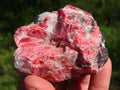
Semiprecious stones have different colors because light interacts differently with the structure and composition of each mineral. Color can be produced by elements such as iron, chromium, manganese, copper, or titanium, as well as by defects in the crystal lattice, microscopic inclusions, or natural radiation.
Semi-precious stones have different colors because light interacts differently with the structure and composition of each mineral. Color can be produced by the chemical elements that are part of the mineral, by very small amounts of iron, chromium, manganese, copper, or titanium, by defects in the crystal lattice, by microscopic inclusions, or even by the effects of natural radiation.
Semi-precious stones and natural crystals can be blue, green, red, violet, pink, yellow, black, or almost perfectly colorless. Some minerals even exist in several colors. Fluorite can be green, violet, blue, yellow, or multicolored, and quartz can be colorless, violet, pink, or smoky.
That is why two semi-precious stones can have the same color for completely different reasons, and the same mineral can exist in several colors.
Photo credit: Unsplash
In short:Why do semiprecious stones have different colors? Color appears because light interacts differently with the structure and composition of each mineral. Elements such as iron, chromium, manganese, copper, or titanium, as well as defects in the crystal structure, inclusions, and natural radiation can alter the way light is absorbed. That is why different minerals can have the same color, and the same mineral can exist in several colors.
1. How does the color of a semiprecious stone actually appear?
The color of a semiprecious stone appears when light interacts with the atoms, electrons, and structure of the mineral, and certain wavelengths are absorbed while others reach our eyes.
To understand the color of crystals, we must start with light.
White light contains the entire spectrum of visible colors. When it passes through a prism, it can be separated into the colors we see in a rainbow: violet, blue, green, yellow, orange, and red.
When light reaches a semiprecious stone, part of it may be reflected, part of it may pass through it, and certain wavelengths may be absorbed.
The color we see depends on the light that ultimately reaches our eyes.
Inside the mineral, the electrons of atoms and ions can absorb certain amounts of energy from light. The crystal structure determines which energy transitions are possible and, consequently, which parts of the spectrum are absorbed.
We can simplify the process like this:
white light → mineral → certain wavelengths are absorbed → the remaining light reaches the eye → we perceive color
So, the stone is not “painted” on the inside. Color is the result of the interaction between light and its microscopic structure.
2. Are metals the ones that color semiprecious stones?
Metals such as iron, chromium, manganese, copper, titanium, and vanadium are responsible for many of the colors of semiprecious stones, but not all colors appear simply through the presence of a metal.
Iron, chromium, manganese, copper, titanium, vanadium, and other elements can influence the way a mineral absorbs light.
Sometimes these elements are present only in very small quantities within a crystal.
Other times they are actually part of the mineral's chemical formula.
Malachite, for example, contains copper as an essential part of its composition. Copper is not an accidental impurity that colors an otherwise colorless malachite. Without copper, the mineral would no longer be malachite.
Photo credit: Unsplash
There are also colors produced through more complex mechanisms, involving crystal lattice defects, electron transfers, natural irradiation, or microscopic inclusions.
That is why we cannot create a simple dictionary such as:
“iron = red”
“copper = green”
“chromium = red”.
The same element can contribute to the appearance of different colors, depending on the mineral in which it is found, its chemical state, and the atomic environment around it.
3. Why are some semiprecious stones blue?
Photo credit: Unsplash
Semi-precious stones are blue because their structure absorbs certain wavelengths of light, and the light that reaches our eyes is perceived predominantly as blue. Iron, titanium, copper, or certain color centers can produce this effect, depending on the mineral.
In aquamarine, which is a variety of beryl, the iron in the mineral's structure contributes to the appearance of blue and blue-green shades.
In blue sapphire, the base mineral is corundum. Interactions between iron and titanium modify the absorption of light and can produce the characteristic blue.
In azurite, the intense blue color is linked to the copper ions in the mineral's structure.
Turquoise also contains copper, which contributes to its well-known blue and blue-green shades.
In lapis lazuli, the situation is different. The stone is a rock made up of several minerals, and the intense blue is especially linked to lazurite and to color centers associated with sulfur species in its structure.
Aquamarine, sapphire, azurite, turquoise, and lapis lazuli can all be blue stones, but the explanation for their color is not the same.
Semi-precious stones can be red due to elements such as chromium or iron, which alter the way the mineral absorbs light. However, the exact cause of the red color differs from one mineral to another.
Red semi-precious stones can have the same apparent color through different mineralogical mechanisms, and ruby is one of the best-known examples.
Ruby is corundum that contains small amounts of chromium. Chromium ions occupy certain positions in the crystal lattice and alter the way the mineral absorbs light. The result is the characteristic red color.
Red jasper is colored through a different mechanism. Its color is mainly linked to iron oxides, especially very fine particles of hematite.
Iron also contributes to the orange and reddish shades of carnelian.
In the case of red garnets, the color depends on the composition of the garnet variety and on elements such as iron or manganese.
Therefore, two red semi-precious stones may look similar, but on a chemical and structural level the explanation for their color can be completely different.
Semiprecious stones can be green due to copper, chromium, vanadium, iron, inclusions, or structural defects. There is no single chemical element responsible for the green color of all minerals.
Green semiprecious stones are one of the best examples of how many ways nature has to produce the same color.
Malachite is green due to the copper that is part of its chemical composition.
Emerald is a green variety of beryl. Its color is mainly associated with chromium and/or vanadium present in small amounts in the mineral's structure.
In peridot, the situation is different. Iron is part of the mineral's composition and contributes directly to its green color.
Green fluorite shows us that things can become even more complex. The colors of fluorite can be linked to impurities, defects in the crystal lattice, and color centers.
Therefore, malachite, emerald, peridot, and fluorite can all be green stones without there being a single common "green element" shared by all of them.
Semiprecious stones can become violet through the interaction between certain chemical elements and the crystal structure, and in some cases natural radiation contributes to the formation of color centers that produce the violet hue.
Amethyst is quartz, so its basic composition is silicon dioxide (SiO₂), just as in the case of colorless quartz.
So why is one colorless and the other violet?
In amethyst there can be very small amounts of iron that entered the quartz structure during the formation of the crystal. Later, natural radiation from the geological environment can produce changes at the level of certain centers in the crystal lattice.
Thus, color centers appear, which selectively absorb certain wavelengths of light.
The result is the violet color of amethyst.
Amethyst is, therefore, a very good example in which color preserves information not only about the composition of the mineral, but also about the processes it underwent after formation.
Purple fluorite can also have its color linked to structural defects and color centers, although its mechanisms are not identical to those of amethyst.
Semi-precious stones can be pink due to manganese, microscopic inclusions, or certain features of the crystal structure. Rose quartz, pink tourmaline, and rhodochrosite have similar colors, but the origin of their color is different.
In pink tourmaline, manganese can contribute to the appearance of pink and reddish shades.
In rhodochrosite, manganese is not just an impurity. It is an essential element of the mineral's chemical composition and is responsible for much of its characteristic color.
Rose quartz is a different case. In many specimens, the color is associated with microscopic inclusions and structural features inside the quartz.
Therefore, rose quartz, pink tourmaline, and rhodochrosite can reach similar shades through different mineralogical mechanisms.
Semi-precious stones can be yellow when the mineral structure selectively absorbs other regions of the visible spectrum, and iron is one of the elements that frequently contributes to the appearance of yellow and golden shades.
Citrine is the yellow to orange variety of quartz. Its color is linked to iron and to changes in the centers responsible for light absorption in the mineral structure.
In some minerals, iron in different chemical states can produce shades ranging from pale yellow to golden, orange, or brown.
But the fact that a semi-precious stone is yellow does not automatically mean that iron is responsible. To identify the cause of the color, the specific mineral and its structure must be analyzed.
Semi-precious stones can be orange due to iron compounds, inclusions, or other mechanisms that alter the absorption of light in the mineral.
Orange semi-precious stones can have shades ranging from light orange to reddish-brown, depending on the mineral and the mechanism that produces the color.
Carnelian is one of the best-known examples. It is a variety of chalcedony, and its orange, red, and reddish-brown shades are associated with the presence of iron compounds dispersed throughout the material.
Differences in the concentration, distribution, and chemical state of the iron can alter the intensity and hue of the color.
That is why two natural pieces of carnelian originating from the same region can have different colors.
Semiprecious stones appear black when they absorb a large part of visible light, so that very little light reaches our eyes from their surface. The causes of this absorption differ from one mineral or natural material to another.
Black semiprecious stones may look similar, even though their origin, composition, and structure are very different.
Black tourmaline, called schorl, is rich in iron, and its composition and structure produce very strong light absorption.
Black obsidian is completely different. Obsidian is not a crystal in the strict mineralogical sense, but a volcanic glass. It forms when lava cools quickly enough that the atoms do not organize into a regular crystalline lattice.
Its dark appearance is related to the composition of the material and the microscopic components present in the glassy mass.
Two black stones can therefore have completely different origins, compositions, and structures.
Semi-precious stones can appear white when visible light is scattered in many directions by the mineral’s structure, by microcrystals, pores, fractures, or inclusions. White is not the same thing as the absence of color.
In the case of white semi-precious stones, the light appearance is often related to the way light is scattered inside the material.
White and colorless do not mean the same thing.
A colorless and transparent crystal allows visible light to pass through it without selective absorption strong enough to produce an obvious color.
A white material, on the other hand, can scatter light in many directions. If almost all the components of visible light are scattered and reach our eyes together, the material may appear white.
Microcrystals, pores, fractures, and inclusions can contribute to this scattering.
That is why a transparent and colorless mineral and a white-opaque one may seem, at first glance, similar in their lack of color, although their interaction with light is very different.
Semiprecious stones are colorless when the mineral does not absorb visible light selectively enough to produce an obvious color, allowing a large portion of the light to pass through the crystal.
Colorless quartz, also known as rock crystal, is a very good example.
When its structure does not contain enough impurities or defects capable of selectively absorbing visible light, a large part of the light can pass through the crystal.
That is why quartz can be almost perfectly transparent.
But small changes in the structure dramatically change the result.
The same mineral family gives us:
colorless quartz – colorless amethyst – violet rose quartz – pink smoky quartz – gray to very dark brown
The basic composition remains SiO₂, but impurities, structural defects, inclusions, and the natural processes the mineral has undergone can alter the way it interacts with light.
13. Why do some semiprecious stones have multiple colors?
Photo credit: Unsplash
Some semiprecious stones have multiple colors because the conditions in which the crystal grows can change over time, and each growth stage may record a slightly different composition or structure.
The composition of the fluids from which the mineral crystallizes can change. The temperature can vary. The concentration of certain elements can increase or decrease. Crystal growth can stop and then resume.
The crystal preserves these changes in its structure.
This is how color zoning can appear.
Fluorite is one of the most spectacular examples. A single crystal can display bands or zones of green, violet, blue, or nearly colorless areas.
Tourmaline can also have zones of different colors. Some crystals transition from green to pink as the eye moves from one area to another.
Color can thus become a kind of visible record of the changes that occurred in the environment in which the crystal grew.
14. Why can two semi-precious stones from the same mineral have different colors?
Photo credit: Unsplash
Two stones from the same mineral can have different shades because the concentration of chemical elements, structural defects, inclusions, and formation conditions are not perfectly identical from one crystal to another.
Two amethysts do not have to have exactly the same shade of violet, just as two pieces of aquamarine do not have to have the same intensity of blue.
Natural crystals do not form in a perfectly constant environment.
Temperature, pressure, the composition of fluids, the concentration of chemical elements, and exposure to natural radiation can vary from one place to another and at different moments during growth.
There can even be differences within the same crystal.
For this reason, more intense or lighter shades, color zoning, and natural variations between specimens appear.
15. Is color enough to identify a semi-precious stone?
No. Color alone is not enough to reliably identify a semi-precious stone, because different minerals can have very similar colors, and the same mineral can exist in several colors.
For example, numerous minerals can be green, and several completely different minerals can have similar blue shades.
That is why mineralogists do not identify a stone based only on color.
For identification, several characteristics are analyzed, such as chemical composition, crystal structure, hardness, density, cleavage, luster, crystal shape, and optical properties.
Color is therefore an important and highly visible characteristic, but it represents only one of the pieces of information used to identify a mineral.
16. Why do semi-precious stones have different colors? Examples and causes of colors
The table below summarizes the main colors found in semi-precious stones and natural crystals, examples of minerals, and the mechanisms that can produce each color.
The presence of certain elements or color centers changes light absorption. Iron contributes to the color of aquamarine, combinations of iron and titanium to the blue of sapphire, and copper to the color of azurite and turquoise. In lapis lazuli, the color is associated with color centers involving sulfur.
Malachite, emerald, peridot, aventurine, chrysoprase, green fluorite
The color green can have different causes. Copper is responsible for the green of malachite, chromium and sometimes vanadium contribute to the color of emerald, and iron is essential for the green of peridot. In other minerals, inclusions or structural defects can contribute to the color.
Chromium produces the red of ruby, while iron contributes to the color of many garnets and red jasper. Iron oxides can generate shades ranging from intense red to reddish-brown.
Rose quartz, pink tourmaline, rhodochrosite, morganite
Pink shades can be produced through different mechanisms. Manganese contributes to the color of some pink minerals, and in rose quartz the color may be associated with structural defects and microscopic inclusions.
In amethyst, iron present in very small quantities and the effects of natural radiation produce color centers in the quartz structure. In fluorite, structural defects and impurities can generate violet shades.
Iron frequently contributes to the appearance of yellow, golden, and brown shades. Depending on the mineral, the color may also be influenced by structural defects or inclusions.
Iron compounds can produce orange, reddish-orange, and reddish-brown shades. In other minerals, inclusions contribute to the appearance and intensity of the color.
The black appearance occurs when the material absorbs a large portion of visible light. In black tourmaline, iron contributes to the strong absorption, while obsidian is a volcanic glass whose color is related to the composition of the material and microscopic components.
The white color is often associated with the scattering of light by microcrystals, pores, fractures, or inclusions. A white mineral is not necessarily colorless or transparent.
The mineral does not absorb visible light selectively enough to produce an obvious color. A large part of the light can pass through the material, which gives it its colorless appearance.
Multiple colors can appear through crystal zoning, variations in composition during growth, inclusions, internal structures, or optical effects. The exact cause differs depending on the mineral.
17. What does the color of a semiprecious stone actually tell us?
The color of a semiprecious stone can provide information about its chemical composition, crystal structure, the inclusions it contains, and the geological processes it went through during formation.
Sometimes the color is produced by a chemical element present in the mineral's structure. Other times, a very small amount of iron, chromium, manganese, copper, or titanium is enough to change the way the crystal absorbs light.
In other cases, the color appears due to defects in the crystal lattice, microscopic inclusions, or changes produced by natural radiation.
This is also why two different minerals can have the same color, and the same mineral can exist in very different colors.
Seen this way, the color of a crystal is not just a visual characteristic. It is the result of the interaction between light, atoms, electrons, and the mineral's structure and, sometimes, a visible trace of the geological processes the crystal went through over the course of its formation.
FAQ – Frequently asked questions about the colors of semiprecious stones
1. Why do semiprecious stones have different colors?
Semiprecious stones have different colors because light interacts differently with the structure and composition of each mineral. Chemical elements, impurities, structural defects, inclusions, and natural radiation can alter light absorption and the perceived color.
2. Are metals what color semiprecious stones?
Sometimes. Elements such as iron, chromium, manganese, copper, and titanium can produce or modify a mineral's color, but the color can also have other causes, such as structural defects, inclusions, or color centers.
3. Why are some semiprecious stones blue?
Semiprecious stones can be blue when their structure absorbs certain wavelengths of visible light. Iron contributes to the color of aquamarine, iron and titanium to sapphire blue, and copper to the color of azurite and turquoise.
4. Why are some semiprecious stones green?
The color green can have different causes. Copper produces the green of malachite, chromium and sometimes vanadium contribute to the color of emerald, and iron is responsible for the green of peridot.
5. Why are some semiprecious stones violet?
In some minerals, the violet color appears through the combination of impurities and changes in the crystal structure. In amethyst, small amounts of iron and the effects of natural radiation produce color centers that generate violet shades.
6. Why do some semi-precious stones have multiple colors?
Some crystals have multiple colors because the growth conditions change over time. Variations in temperature, composition, and the concentration of elements can create different color zones within the same crystal.
7. Why can two stones of the same mineral have different colors?
Two specimens of the same mineral can have different colors because the concentration of chemical elements, structural defects, inclusions, and formation conditions can vary from one crystal to another.
8. Is color enough to identify a semi-precious stone?
No. Different minerals can have similar colors, and the same mineral can exist in multiple colors. For identification, chemical composition, crystal structure, hardness, density, cleavage, luster, and optical properties are also analyzed.
For carefully selected crystals and jewelry, you can choose from the collections available in the Druzy online store.
Articles about crystals, zodiac signs, and semi-precious stones:
If you are interested in crystals associated with astrology and their symbolism, also discover the articles below about zodiac signs, semi-precious stones, and the energy of crystals.
✍️ About the author: Article written by the editorial team at druzy.eu – passionate about crystals, minerals, and their ancient stories. All information is carefully researched to offer you an authentic and profound experience.